CoffeeMiang and mountain tea
เมี่ยงและชาบนดอย · miang
Tea leaves fermented and chewed, and the same bush picked young and brewed. Older here than coffee by centuries.
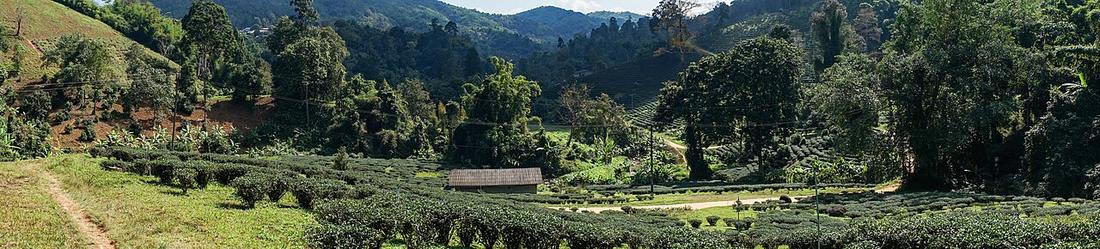 Nina R from Africa · CC BY 2.0
What it is
Before the coffee, these hills grew tea. Much of it still does, and the older use of the leaf is not a drink at all.
The long version
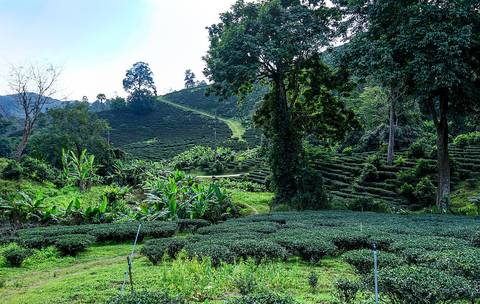
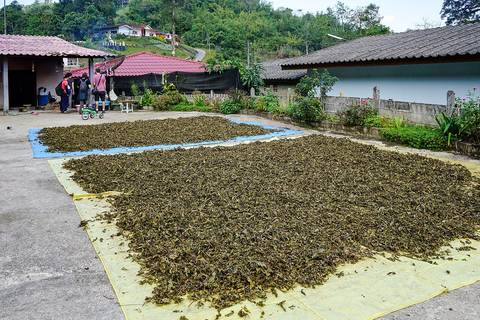
Tradition holds — miang is tea leaf steamed and fermented, then chewed as a wad with salt, ginger or sugar. It was the northern Thai way with the tea plant long before anyone here brewed it, and miang forests — old semi-wild tea gardens under shade trees — still stand on these hills.
Inference — the reason it is worth knowing is that it reframes what you are riding through. The coffee on these slopes arrived in the twentieth century as a substitution crop; the tea has been here far longer, and the shade trees over the old gardens are why parts of this forest look tended rather than wild.
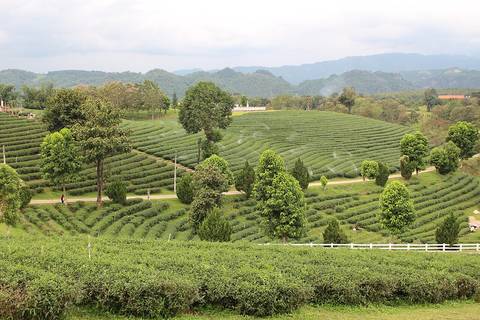
At Ban Rak Thai the Yunnanese grow and brew tea in the Chinese manner and will pour it for you properly, which is a different plant culture again, arriving over the border from the north.
Runs with
- coffeeArabica off the ridge you just rode over — The newer crop on the same slopes.
- dishThe Yunnanese table at Ban Rak Thai — Tea poured the Chinese way, at the border.
- personLisu, Lahu, Hmong and Lua — Among the families farming these gardens.
Where each claim comes from
| Field | Tier | Source | Note |
|---|---|---|---|
| default | tradition | ||
| text_th | inference | written in Thai by this project, not machine-translated |
Sources
- Thai cuisine — Wikipedia (en)
- Coffee production in Thailand — Wikipedia (en)
- Yunnan cuisine — Wikipedia (en)
cited Cited — a named source, linked · harvested Harvested — fetched from an open dataset, with its licence · tradition Tradition — general knowledge of the tradition, hedged · inference Inference — this project's own reasoning from the above · field Field — someone stood there