storyThe same sport, four borders
กีฬาเดียวกัน สี่ชายแดน · kila diaokan si chaidaen
Lethwei, kun khmer, muay lao, tomoi. Four names, one region, and a long argument.
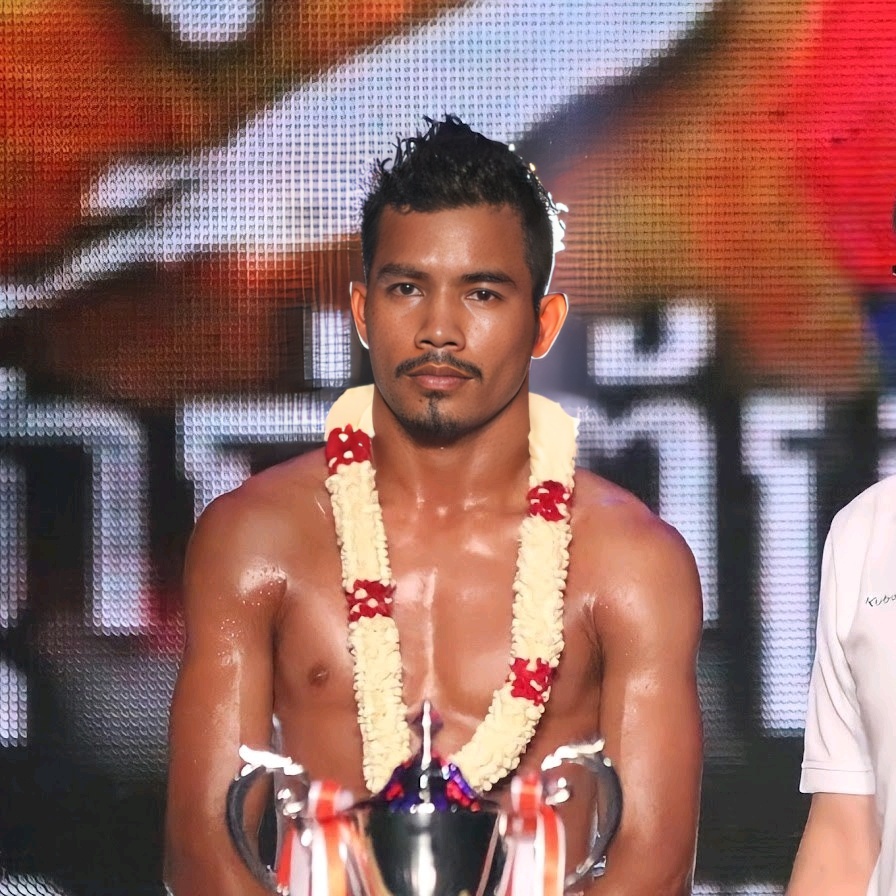 Mao Piseth · CC BY-SA 4.0
What it is
Myanmar, Cambodia, Laos and the Malay peninsula each have a striking art with the same eight weapons and a different name.
The long version
Lethwei, in Myanmar, keeps the headbutt — nine weapons, not eight — and was fought bare-knuckle. Kun khmer in Cambodia, muay lao in Laos, tomoi on the Malay peninsula.
The dispute is public and recurring, most visibly over what the sport is called at the SEA Games when Cambodia hosts. Both sides argue from temple carvings and from chronicles, and neither set of evidence is decisive, because the thing they are arguing about — a regional practice older than any of the modern states — does not belong to a state by the nature of what it is.
English Wikipedia's own note is that the invented-tradition process in Thailand attached the sport to an official cultural institution and separated it from these neighbours. The separating is the recent part.
Connected to
- How old is any of this The mechanism.
- The eight limbs Nine, across one border.
Named here by
- How old is any of this Who got cut off.
Where each claim comes from
| Field | Tier | Source | Note |
|---|---|---|---|
| default | cited | Muay Thai — Wikipedia (en) | |
| text_th | inference | written in Thai by this project, not machine-translated |
Sources
cited Cited — a named source, linked · harvested Harvested — fetched from an open dataset, with its licence · tradition Tradition — general knowledge of the tradition, hedged · inference Inference — this project's own reasoning from the above · field Field — someone stood there