ยุค2339–2443 — ยุคพระเจ้ากาวิละ
เมืองถูกเติมคน คูถูกขุดแหม และต้นไม้แรกถูกปลูกเลียบถนน
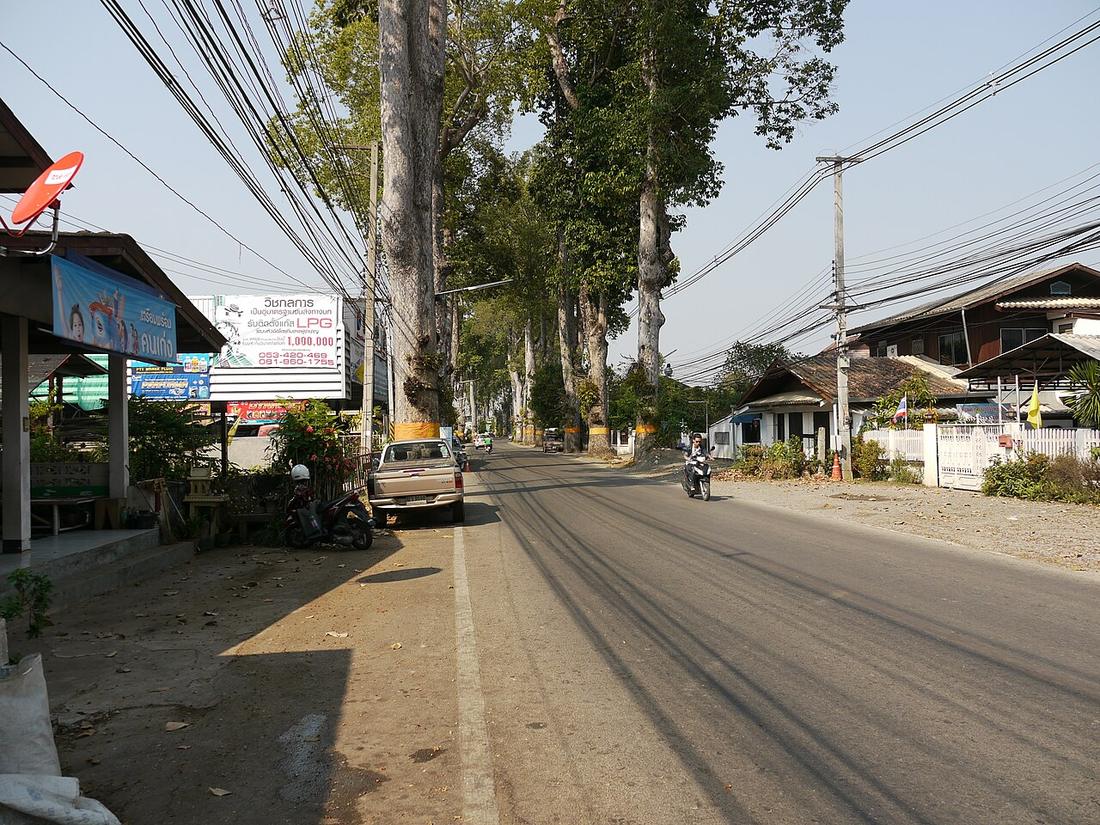 FredTC · CC BY-SA 4.0
คืออะไร
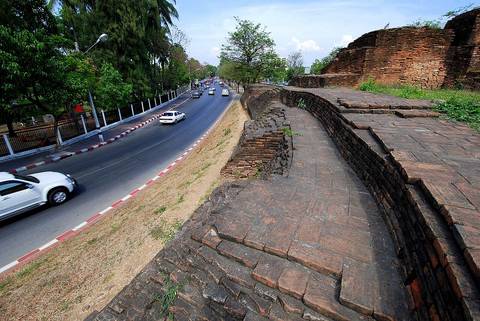
พระเจ้ากาวิละกลับเข้าเวียงร้างปี 2339 บูรณะกำแพงและทำแจ่งให้มุม ตลอดศตวรรษสยามกุมแน่นขึ้น ขัวไม้สักแรกข้ามแม่ปิงราวปี 2433 ต้นยางนาลงเลียบถนนลำพูน บันทึกหนึ่งว่าปี 2425 ถนนหางดงสร้างปี 2442 พร้อมต้นขี้เหล็กเพื่อการค้ากับพม่า
ฉบับยาว
อนุมาน — การสร้างถนนของศตวรรษนี้อยู่นอกคูทั้งหมดและเป็นรัศมีทั้งหมด ขัวไปตะวันออก ถนนใหญ่ลงใต้ ทางค้าไปตะวันตกเฉียงใต้ สี่เหลี่ยมถูกปล่อยไว้ แบบแผนนี้อยู่ต่ออีกห้าสิบปี
เกี่ยวข้องกับ
- พระเจ้ากาวิละ The ruler.
- ถนนต้นยาง เชียงใหม่–ลำพูน The trees.
- สะพานนวรัฐ The first bridge.
ถูกอ้างถึงโดย
- แผนที่ 2436 สำหรับพระเจ้าอินทวิชยานนท์ Its era.
- เส้นทางเดินทางของปาวี 2423–2427 Its era.
- พระเจ้ากาวิละ His era.
แต่ละข้อความมาจากไหน
| Field | Tier | Source | Note |
|---|---|---|---|
| default | cited | Kawila — Wikipedia (en) | |
| text_th | inference | written in Thai by this project, in the northern register where it fits; not machine-translated | |
| text.story | inference |
แหล่งอ้างอิง
- Kawila — Wikipedia (en)
- ต้นยางนาถนนเชียงใหม่–ลำพูน — Thai PBS
- การขยายตัวของเมืองเชียงใหม่ตามแนวถนน — วิทยานิพนธ์ภูมิศาสตร์ ม.เชียงใหม่ 2548, บทที่ 3 — Chiang Mai University Library
- สะพานนวรัฐ — Wikipedia (th)
cited Cited — a named source, linked · harvested Harvested — fetched from an open dataset, with its licence · tradition Tradition — general knowledge of the tradition, hedged · inference Inference — this project's own reasoning from the above · field Field — someone stood there