A Lanna viharn under the sky over Chiang Mai right now. The nagas on its barge boards are moving.
Tap any part to hear its name. Drag sideways to move the hour.
1296Chiang Mai founded, 12 April, 4 a.m.
306naga stairs at Doi Suthep
82 mChedi Luang before 1545
60Buddhas in Wat Kukut's niches
7candles on a sattaphan
12birth-year chedis
Lanna is the old kingdom of the north. Mangrai took Haripunchai and in 1296 laid out Chiang Mai. Its temples sit low and wide in teak, brick and lime plaster, roofed in tiers, gilded, set with glass, and guarded by nagas. This page draws them part by part, so the word for each part is in front of you while you look.
Build a viharn
A Lanna roof is a stack of gables. Each tier steps down toward the door, and wing roofs step down to each side, so the hall sits low and wide under its own eaves. Change the tiers, the wings and the pitch. Take the ornaments off and put them back. Tap any part for its name.
Tap a part of the viharn.
The Lanna viharn is the main hall of a temple, five to nine bays long and three wide, laid east to west. Its roof sits on a frame Lanna carpenters call ma tang mai: posts and tie-beams that pass the load down to the columns like silk slung over a pack horse. The frame lets the roof curve, and the lower side roofs, the pik nok, stand on posts of their own.
The roof steps down in tiers, each one a sot: two steps at the front, none along the main roof, one at the back. In 1923 the main hall of Wat Phra That Lampang Luang was refitted with a central Thai gable and roof set, so the two traditions stand side by side there.
A wooden gable carved in square openwork panels. · Shesmax · CC BY-SA 4.0A deity rides a winged Garuda in the red-and-gold gable. · ErwinMeier · CC BY-SA 4.0The tiered roofs of Viharn Lai Kham over its white base. · Dennis G. Jarvis · CC BY-SA 2.0
Choose the heads, the waves in the body, how startled it is, and what it is dressed in. Tap the water and it rains.
The barge board, pan lom, runs along each sloping edge of the gable and keeps the wind from lifting the roof. An old Lanna barge board is a straight planed plank closing off the purlin ends. Over it rides the lamyong, the set of carved parts: the cho fa at the top, the fins called bai raka, the naga body called nak sadung running down each side, and the hang hong where the board ends, in Lanna very often a naga head.
Not every Lanna gable has every part. The ubosot of Wat Phra Singh has a smooth wavy lamyong with no bai raka, and its hang hong is only a kanok scroll; the Viharn Lai Kham beside it ends in a naga head joined to a bird-beaked cho fa.
The earliest Lanna nagas on record are five-headed and crowned, from about 1458 to 1657, at Wat Chedi Luang, Wat Suan Dok and Wat Umong. Later Lanna nagas have one head on a long neck, with a trunk, antlers and a bird's wing: the tua luang. Over the last four hundred years about 95 per cent of Lanna naga stairs are of that kind.
A gilded barge board curls into a naga tip at the gable. · Hdamm · CC BY-SA 3.0A gilded naga head at the foot of the stair, fangs bared. · Alex Kovacheva · CC BY-SA 4.0A naga coils down the entrance stair of a small viharn. · Welcome to Thailand · CC0
Nagas give water
Each year's Songkran announcement says how many nagas give water, from one to seven. The count runs backwards: one naga is a year of plenty, seven is a drought, because each naga waits for the others and keeps the water in his belly. Choose a number.
Out of the makara's mouth
At the foot of many Lanna stairs a makara opens its jaws and a naga rears out of them. The naga's body is the rail all the way up. Scroll, or slide, and the naga comes out.
Lanna people do not say makara disgorging naga. They call the pair hung kap nak, the rainbow biting the naga, and read the naga on a balustrade as a rainbow bridge between the human world and heaven. The oldest surviving Lanna example is the stair to the great chedi of Wat Chedi Luang. Older balustrades at Wiang Kum Kam end in a plain cone, the hang wan.
At Doi Suthep the stair has 306 steps by the Thai count and 309 by another. The monk Maha Yanmongkhonphot is credited with its two naga balustrades, in 1547. Some old temples make the two rails different on purpose, one scaled and one plain, read as knowledge and ignorance, as at Wat Phra That Lampang Luang.
A makara spits out a naga, every scale picked out in gilt. · Photo Dharma · CC BY 2.0Nagas pour from the mouths of makaras along a stair rail. · Takeaway · CC BY-SA 3.0A naga rail hung with bells, a guardian lion at its end. · NaN Peacock · CC BY 4.0Stucco nagas rise beside the stair of the brick chedi. · Adam Jones · CC BY-SA 2.0A stair between two nagas leads up to the temple gate. · ErwinMeier · CC BY-SA 4.0A stone singha sits on its pedestal. · Jakub Hałun · CC BY-SA 4.0
Three of the stories behind what is carved, drawn as small plays. Tap the button under each one. The stories are written out below, with where they come from.
The city that sank: Wiang Nong Lom
Mucalinda's shelter
The elephant that climbed Doi Suthep
Mucalinda shelters the Buddha
After seven days of sitting under the goatherds' banyan, the Buddha rose and went to another tree, the Mucalinda tree. There too he crossed his legs and sat for seven days without moving.
Read on
Then the weather turned. An unseasonal storm rolled in with seven days of rain, cold wind and cloud, and it broke over the Buddha where he sat beneath the tree.
In his own dwelling, the naga king Mucalinda knew the storm had come. He came out, wound his body around the Buddha seven times, and spread his great hood over the Buddha's head. His thought, as the Vinaya tells it, was that no cold or heat, no horsefly or mosquito, no wind or burning sun, and no creeping creature should trouble him.
For seven days the Buddha sat inside that ring of coils, and the serpent kept his hood raised over him.
When Mucalinda knew the sky was clear, he unwound his body. He took the form of a young brahmin, stood in front of the Buddha, and raised his palms together in respect. Seeing what had happened, the Buddha spoke a short verse: solitude is happiness for the contented, and so is gentleness toward every living being.
Lanna and Thai sculptors carve this scene as the Buddha seated on the serpent's coils under a spread hood, called ปางนาคปรก. A passage on Thai Wikipedia, quoting a medieval Thai text that calls the hood a ceiling closed over the Buddha, conjectures that this is where the shape of the viharn hall comes from. That is a conjecture.
A naga was tired of being a naga. He thought: how can I be freed from this life and quickly become human? He had watched the Buddha's monks, who lived chastely and kept good conduct. If he joined them, he might escape the serpent's body.
Read on
So he took the shape of a young brahmin, went to the monks, and asked to go forth. They ordained him.
Not long after, he shared a remote dwelling with one monk. One early morning the monk went out to walk in meditation. The naga, alone, relaxed and fell asleep, and in sleep he slipped back into his own form. His coils filled the room and pushed out through the windows.
The monk came back, opened the door, saw a serpent filling his dwelling, and screamed. Monks came running. The noise woke the naga, who sat up on his seat and said, "I'm a naga."
They told the Buddha. The Buddha said nagas cannot make progress on this path, and sent him to keep the observance days of the lunar month, so that he might in time become human. The naga wept, and left.
The Buddha then ruled that no animal may be ordained. Among the questions the Vinaya has put to a candidate is "Manussosi?", "Are you human?"
The Vinaya story ends there. The Thai folk telling adds an ending: the naga begged that, since nagas can never be ordained, the men preparing for ordination be called "naga" in his place. That is the reason usually given for the word นาค, and it is not found in the Vinaya.
The Royal Institute dictionary reads the same word differently: Pali nāga as "one who is excellent, one who does no wrong", and the plain word for a man staying at a temple before ordination.
In the seventh rains retreat after his awakening, the Buddha went up to the Tavatimsa heaven for three months. His mother, reborn as a god in the Tusita heaven, came down to hear him, and he taught her the Abhidhamma. Down below, the people of the earth did not see him for the whole of that time.
Read on
When the retreat ended, on the full moon of the eleventh lunar month, he came down at the city of Sankassa. Indra made three stairways for him. The upper end rested on the summit of Mount Sineru, and the foot of the stairs stood at the gate of Sankassa. One was gold, one was jewel, one was silver. The Buddha walked down the jewel stair. The gods came down the gold stair, and the Brahma gods came down the silver one.
As he descended, the three worlds opened to each other. Heaven, the human world and the hells were all in view at once. Gods saw people, people saw gods, and beings in the hells saw both. The Buddha sent out rays of six colours as he came.
On the next morning, the first day of the waning moon, the people of the city came out with food. They had not seen him for three months, and they gave alms in great numbers. That is the Thai merit-making called ตักบาตรเทโว, from เทโวโรหณะ, "the descent from the world of the gods."
Writers on Lanna art say that a naga on a stair balustrade is read as a rainbow bridge between the human world and heaven, and the Lanna folk name for the entwined makara and naga is ฮุ้งก้าบนาค, "rainbow biting naga". The sources read the naga as a bridge between worlds, and do not say that a temple stair copies the Sankassa stairs.
The prince, the naga Phanthu and the white eel of Yonok
Prince Singhanati led his people south from the northern city of his father, looking for a place to build. The hills around Doi Tung were home to the Lawa. Near the Mekong the prince met a stranger who looked like a brahmin. The stranger was the naga king Phanthu in disguise, and he told the prince where to found his city.
Read on
Then he turned back into a naga and dug the city moat himself. The prince joined his own name to the naga's and called the city Nakhaphanthu-Singhanatinakhon. Kings of the line ruled Yonok for generations, and in the legend the Buddha's teaching reached the north in their time.
In the reign of the last king, Maha Chaichana, people along the Kok River caught a giant white eel. They carried it into the city, cut it up and shared it out to be eaten across the whole town. Only one old widow got none. She had no children and no kin to hand her a piece.
That night the ground shook. The whole city broke up and fell into water. Only the widow's house stayed above it, and the spot is still called Ko Mae Mai, the widow's island. The water became the swamp now called Wiang Nong Lom. The survivors left and built a new town, Wiang Prueksa.
Some tellers read the white eel as standing for the naga, so that the city died for eating the serpent's own. Some scholars think a large earthquake lies behind the tale. Palm-leaf manuscripts write the prince's name as Singhanati, not Singhanavati, and the dates in the chronicle conflict, so none of the years given in the legend can be trusted.
A relic of the Buddha had come to Chiang Mai in the care of the monk Sumana. When it arrived, it split in two. One piece went to Wat Suan Dok. King Kue Na, with the monk beside him, set the other piece in a howdah on the back of an auspicious elephant and let the animal choose where the relic should rest.
Read on
The elephant left by the city's Hua Wiang gate and walked up the mountain. Partway up it stopped, as if to rest. The king and the monk urged it on, and that hill was named Doi Mak Khanun. It walked on to a pleasant, level place, and they thought of stopping there, but the elephant went on, and that spot was named Sanam Yot Doi Ngam.
At the top of Doi Suthep the elephant trumpeted three times. It circled the summit three times. Then it knelt. The king had the relic lifted down, and the elephant collapsed. He had a pit dug three cubits deep and seven great stone slabs set in it like a chest. The relic went inside, stones were packed over it, and a chedi five wah high rose above.
English tellings call the animal white. The Thai text calls it an auspicious elephant, and says nothing about its colour. The same text gives this as the reason people may not wear shoes in the temple precinct, and says women were not to enter that inner area.
The long naga stairway up to the temple came later. Thai Wikipedia gives 306 steps and dates the two naga balustrades to 1547, built by the monk Maha Yanmongkhonphot. English Wikipedia counts 309 steps, and the road up the mountain was cut by Khruba Siwichai in 1934–35.
Wat Pa Yia, in Chiang Rai, stood in a grove of yellow bamboo. In 1434 a bolt of lightning struck the temple's eight-sided chedi and split it open.
Read on
Inside the broken chedi people found a Buddha image covered in plaster. It was set down in the abbot's residence.
Some time later the abbot noticed that a patch of plaster on the image's nose had flaked off. Under it something showed green. He began to peel the plaster away. Piece by piece it came off, and the whole figure beneath was a Buddha carved from a green stone.
Thai calls the image Phra Kaew Morakot. "Emerald" here only means green. The temple took a new name, Wat Phra Kaew, the Temple of the Jewel Buddha, and has kept it ever since.
The image did not stay in Chiang Rai. The chronicle tradition tracks it to Lampang from 1436, to Chiang Mai from 1468, where it was installed in the eastern niche of the great chedi of Wat Chedi Luang, and then, in the middle of the 1500s (sources give 1547 to 1553), to Luang Prabang and Vientiane. King Taksin's general took it from Vientiane in 1778, and it was moved to its present temple in Bangkok on 22 March 1784.
Older legends, in the Pali Ratanabimbavamsa, make the stone Buddha a work of the gods, made for the monk Nagasena in India. The dates from the Chiang Rai discovery onward are treated as history, and the dates before it as legend.
The mom, the rain god's mount that guards the temple
In Lanna, the mom is the odd lion-like creature that guards the front of temple halls and appears on gilded walls. Some are lion-like, some look like Pekingese dogs, some have lizard skin and a dolphin's tail. It is not the same animal as the makara, though visitors often mix them up.
Read on
Northern tradition tells it this way. Pajjunna, the lord of clouds and rain, lives in the lowest heaven and serves the god Varuna. When drought struck Kosala, the Buddha called on Pajjunna to bring rain. The mom was Pajjunna's mount. It was very powerful, but proud, and when it came down to the human world its pride and cravings grew, and it could no longer climb back to heaven.
Pajjunna ordered it to stay at the Buddha's places and listen to the Dhamma, until it gave up its pride and understood. Only then could it go back to be his mount again. While it waits, the mom helps people ask for rain.
Khruba Noi Techapanyo of Wat Si Don Mun in Saraphi described the old rite. Villagers carried a wooden mom on a litter in procession and kept pouring water over it so it never dried. Older temples carved wooden moms from the size of a cat on up, lacquered them and painted them red with cinnabar. The article suggests the cat procession for rain, the แห่นางแมว rite, may descend from it.
These details come from one newspaper feature by Ekkapong Praditpong of the Nation news bureau, printed by Komchadluek in 2011, with two named informants. Thai Wikipedia says the mom is found only in temples of the upper north, especially around Chiang Mai.
In Thai almanac belief, each year's Songkran announcement carries a forecast for the rain: how many nagas will give water that year. The number runs from one to seven.
Read on
The count runs the opposite way from what most people expect. A year with one naga giving water is a year of plenty. A year with seven is a year of drought.
The belief behind it is a small story about nagas who bicker. The nagas are the keepers of water, and each one would rather someone else did the giving. So they hold back. Each naga swallows his share and keeps it in his belly, and refuses to spit it down on the fields. The more nagas there are to give, the more water stays swallowed and the drier the year. One lone naga has nobody to wait for.
The forecast shows up most clearly in each year's Songkran announcement. The belief is told in Thai sources in general, and the sources for this page for this page do not tie it to Lanna alone.
Seven centuries of building in the north, in order.
c. 662 (date in the chronicles)The chronicles say a Mon queen, Camadevi, came north from Lavo (Lopburi) to rule Haripunchai at Lamphun. Historians place the start of the city later, around 750 on one estimate and in the 11th or 12th century on others. Wat Chamadevi, also called Wat Kukut, keeps the stepped chedi of that Mon world: a square laterite pyramid of five tiers with 60 Buddha images in niches. No builder's date is proved. A Mon stone inscription records a large restoration after an earthquake in 1218.en.wikipedia.org
1292 (other sources: 1281 or 1283)Mangrai, king of Ngoenyang, takes Haripunchai (Lamphun) and joins it to his new kingdom of Lan Na. Wikipedia pages disagree on the year: 1292 on the Haripunchai page, 1281 on the Lan Na page, and 1283 for the account in the Lanna chronicles. The art historian Hiram Woodward is cited as calling Haripunchai the one place where a line of late-Dvaravati Mon speakers passes into the Tai kingdom centred on Chiang Mai.en.wikipedia.org
1296 (Wiang Kum Kam c. 1286–87; Wat Chiang Man 1297)Mangrai builds Wiang Kum Kam beside the Ping River around 1286 or 1287. Floods keep coming, so he founds Chiang Mai. A stone stele of 1581 at Wat Chiang Man gives the founding as 12 April 1296 at 4 a.m. Wat Chiang Man, built in 1297 on the site of a Lawa fortified town, is the city's first temple. Its Chedi Chang Lom stands on a square base with the front halves of 15 life-size elephants coming out of the wall.en.wikipedia.org
1345 (Phra Buddha Sihing arrives 1400)King Phayu builds Wat Phra Singh in Chiang Mai to hold the ashes of his father, Khamfu. In 1400 King Saenmueangma receives the Phra Buddha Sihing image, and the temple takes its name from it. More than one image carries that title. The Bangkok image is credited to Sri Lanka, and Thai Wikipedia says the Sihing images at Chiang Mai and Nakhon Si Thammarat are in the Chiang Saen 'Singh 1' style.en.wikipedia.org
c. 1384 (sources give 1383 to 1386; naga stairs 1547)King Kue Na has a chedi built on Doi Suthep for a relic of the Buddha. English Wikipedia gives 1383, Thai Wikipedia gives BE 1927 (1384), and another English page gives 1386. In 1547 the monk Maha Yanmongkhonphot is credited with the two naga balustrades of the long stair, which Thai Wikipedia counts as 306 steps and English Wikipedia as 309.th.wikipedia.org
1434Lightning strikes the octagonal chedi of Wat Pa Yia in Chiang Rai and splits it open. Inside is a Buddha image covered in stucco. The abbot later sees green under a flaked patch on the nose, strips the plaster, and finds a figure carved from green stone. This is the Emerald Buddha. The temple becomes Wat Phra Kaew.en.wikipedia.org
1476 (BE 2019)In the reign of Tilokaraj, the Wihan Phra Phut is built at Wat Phra That Lampang Luang as the temple's first viharn. It began as an open hall with hanging half-walls (ฝาย้อย) and a roof frame of the ม้าต่างไหม type, which Thai Wikipedia calls a Lanna carpenters' idea. It was restored in 1802, when brick was added. The main hall, Wihan Luang, was altered in 1923 so that its gable and roof ornaments follow the central Thai pattern.th.wikipedia.org
1477 (Wat Chet Yot begun 1455)King Tilokaraj sends monks to Bagan to study the Mahabodhi temple and begins Wat Chet Yot in 1455. The Jinakalamali chronicle records a large sanctuary there in 1476. In 1477 a council to review the Tipitaka is held, often called the eighth Buddhist council. The central building has seven spires and 70 stucco devas on its walls.en.wikipedia.org
1545An earthquake brings down the top 30 metres of the great chedi of Wat Chedi Luang. Before the collapse it stood 82 metres high on a base 54 metres across, the largest building in Lan Na. The Emerald Buddha had been placed in its eastern niche in 1468. A reconstruction in the early 1990s, paid for by UNESCO and the Japanese government, is criticised by some because the new parts are said to be in Central Thai rather than Lanna style.en.wikipedia.org
1558Mekuti, the Shan king of Lan Na, surrenders to the Burmese king Bayinnaung on 2 April 1558. Lan Na becomes a Burmese vassal. Burmese rule, with breaks, lasts until the Siamese-backed capture of Chiang Mai in 1775. Thai Wikipedia counts these two centuries as a period of decline in Lanna architecture, and notes that surviving Lanna wall paintings of the time, in Lampang, show Burmese influence.en.wikipedia.org
1775 (Kawila re-enters Chiang Mai 1796–97)On 15 January 1775 Kawila of Lampang, with Siamese help, takes Chiang Mai and ends about 200 years of Burmese rule. The city is left empty for years. Kawila spends almost twenty years gathering people, based at Pasang, repairs the walls in 1795, and enters Chiang Mai in 1796 on Thai Wikipedia's reckoning (English Wikipedia says February 1797). The temples of the next century, such as Wat Ton Kwen and the Viharn Lai Kham, are built under his line.en.wikipedia.org
1815–1821The Viharn Lai Kham is built at Wat Phra Singh in Chiang Mai under Thammalangka. It is small, about 30 metres by 8, with a prasat shrine attached at the back. Gold leaf on lacquer covers the main pillars and parts of the timber frame. Murals, probably painted in the 1863 restoration, tell the tale of Sang Thong on one side of the Buddha and Suwannahongse on the other. The end of its roof ridge is a bird-beak chofa joined to a naga-headed hang hong.en.wikipedia.org
1858 (temple begun c. 1852)The viharn of Wat Ton Kwen in Hang Dong is built, in the reign of Kawilorot Suriyawong, with the craftsman monk Kruba In. The temple began about 1852 as a resting place on the route of the annual procession of the Si Chom Thong relic. The Association of Siamese Architects named the viharn an outstanding conservation building in 1989. Its stair has two makara, one above the other, in the elaborate arrangement that the art writer Phensupha Sukkhata Chai-in singles out.en.wikipedia.org
1867–1874 (Wat Phumin founded c. 1596)In Nan, the cruciform hall of Wat Phumin, first built around 1596, is restored under Anantaworarittidet, and the Tai Lue painter Nan Bua Phan paints its murals. The best known is the whispering couple, ปู่ม่านย่าม่าน. A village temple of Tai Lue settlers, Wat Nong Bua at Tha Wang Pha, has a plain rectangular viharn of about 1862 with murals in the same style as Wat Phumin.th.wikipedia.org
1827–1893Shan and Burmese builders of the teak era put up their own kind of temple in the north. Wat Chong Kham in Mae Hong Son is built in 1827 by the town's first ruler with Shan craftsmen. Wat Pa Pao, founded in 1883 beside the moat in Chiang Mai for the Shan community, has a bell-shaped chedi on a triple-tiered square base with four qilin at the corners, and a hall with a seven-tier pyatthat roof. In Lampang, Wat Si Chum is built in 1893 by wealthy Burmese residents, in the years of the British teak concessions.en.wikipedia.org
1920s; road 1934–35The monk Khruba Siwichai, who began restoring Wat Phra Singh in Chiang Mai in the early 1920s and rebuilt its Viharn Luang in 1924, leads the building of the road up Doi Suthep. It is later named Siwichai Road. English Wikipedia counts more than a hundred temples, roads and bridges among his projects. He clashed with the Siamese church authorities over ordaining monks without licence.th.wikipedia.org
1997Chalermchai Kositpipat, a national artist from Chiang Rai, opens Wat Rong Khun, the White Temple, to visitors. He rebuilt the run-down temple at his own cost in white plaster and mirrored glass chips. Thai Wikipedia says work on the present ordination hall began on 3 February 1996. In Chiang Mai, Wat Sri Suphan, founded around 1500, has a new ordination hall clad in silver, nickel and aluminium panels worked by the city's silversmiths.en.wikipedia.org
Slide from the stepped laterite pyramid of Haripunchai to the gold bell of Lanna, the elephant base of Wat Chiang Man, the stacked bowls of Wat Ku Tao and the long spire of a Shan chedi. Every chedi here is one width profile, so any two can melt into each other. Tap the chedi and its bells ring.
Wat Kukut in Lamphun keeps the stepped chedi of the Mon city of Haripunchai: a square laterite pyramid of five tiers with sixty Buddha images in its niches. A Mon inscription records a large restoration after an earthquake in 1218.
The bell chedi at Doi Suthep rises from a tall square base, a three-step indented base, lotus mouldings facing down, a bead and up, four tiers of lotus, a twelve-sided bell, a spire of twelve rings and a bud at the tip, all sheathed in thin gilded brass, thong changko.
Wat Pa Pao, the Shan temple by the moat in Chiang Mai, has a bell chedi on a triple square base with a qilin at each corner, beside a hall under a seven-tier pyatthat roof.
The stepped Ku Kut chedi, each tier holding standing Buddhas. · Chainwit. · CC BY 4.0A ring of stucco elephants holds up the chedi. · Photo Dharma · CC BY 2.0The chedi of Lampang Luang on its stepped base. · ErwinMeier · CC BY-SA 4.0
Your birth-year chedi
In the north each of the twelve animal years has its own relic chedi to visit. Type the year you were born.
The list here is the one most travel guides print. Lists differ for the snake and the horse, and both alternatives are named. Lanna counts the pig year as the elephant year: กุน = กุญชร, the elephant. Some people count the new animal from Songkran in mid-April, the Lanna new year, rather than from 1 January.
Devotion
Flags, gold and candles: what people make and bring.
Tung
A tung is a long hanging banner of cloth, paper, wood or metal, offered at temples and used in rites. There are many kinds: paper tung cut with patterns for life-extending rites, tung printed with the twelve animals for the new year, red tung for those who died badly, a three-tailed tung carried before a coffin, and rigid tung of carved wood or metal set in pairs along the path to the viharn. A tung in seven sections stands for the seven heavens.
Drag the cloth. Tap the sky for a gust.
Lai kham: gold through a stencil
Lai kham, gold pattern, covers the pillars, beams and walls of a Lanna hall. คำ is the northern word for gold. The common way is stencil gilding; some workshops then cut or scratch fine lines into the gold. Try it: lacquer the panel, lay the stencil, rub on the leaf, lift the paper.
Sattaphan: seven candles
A sattaphan is the stepped candle stand in front of the main Buddha image, and anyone may light it. The name is Pali satta, seven, and bhaṇḍa, things. Thai Wikipedia links it to the seven mountain ranges around Mount Sumeru and to Buddhist sets of seven; here each candle carries the name of one range. Phrae and some Tai Lue call it bandai kaeo, the jewel stair.
In the north a Buddha image is called phra chao. Art historians sort the Chiang Saen images into Singh 1, with a round face, lotus-bud halo and both soles showing, and Singh 2, with an oval face, flame halo and a slimmer body. A phra chao than chai is an image made in a single day: the work starts after midnight and has to be finished before six the next evening.
Lanna murals are painted inside the viharn, in reds and blues. At Wat Phumin in Nan, the Tai Lue painter Nan Bua Phan painted the walls between 1867 and 1874; the whispering couple, pu man ya man, is the best known scene. At Wat Buak Khrok Luang in Chiang Mai, fourteen bays tell the Buddha's life.
A lantern, khom, is a frame of thin bamboo bent into arcs and covered with mulberry paper or cotton, cut with sun and flower patterns, hoisted on a tall bamboo pole at the chedi and the viharn for Yi Peng. A ton phueng is a stem of beeswax flowers made by dipping carved moulds into melted wax.
A Buddha in its niche before walls of gold stencil on red. · Panupong Roopyai · CC BY-SA 3.0Bright tung banners hang over the brick chedi of Lok Molee. · Welcome to Thailand · CC0Tall tung banners line a temple path. · Iudexvivorum · CC0The Whisper of Love mural, a man murmuring to a woman. · Index Librorum Permissorum · CC0A temple mural of a palace compound and its court. · Photo Dharma · CC BY 2.0A bronze Buddha in Chiang Saen style, fifteenth or sixteenth century. · Akuppa John Wigham · CC BY 2.0
The Lanna house
The same carpenters built homes. Tap the crossed boards over the gable, the carved lintel over the door and the water shelf at the gate.
A kalae house, ruean kalae, is a teak house on posts, usually a twin house facing north or south, with two carved boards crossing over each gable. Where the kalae comes from is not settled. The CMU house museum lists a taboo on vultures and crows perching on the roof, a Burmese order to mark Lanna houses, and Kraisri Nimmanahaeminda's idea that the boards replaced buffalo horns the Lawa set on the roof after a sacrifice. Crossed gable boards are common across Asia, and the Lanna ones may be those boards, carved.
Over the bedroom door hangs the ham yon, a carved board thought to guard the room. Its width is counted in the owner's own foot lengths, three for a small door and four for a large one. It is made when the house is built and destroyed when the house is moved or sold. At the head of the stair stands the ran nam, a shelf with a water pot and a cup for anyone who passes.
Two gables with crossed kalae boards, a Lanna house moved to Bangkok. · Iudexvivorum · CC0Carved ham yon panels, once set above house doors. · OraMAAG · CC BY-SA 4.0The dark teak viharn of Wat Phan Tao. · Vichitsilp · CC BY-SA 3.0
Every part with its Thai name, a reading in Latin letters, the tones, and the roots of the word. Tap a picture to wake it.
Buildingsวิหารwihan/wí-hǎan/
Pali and Sanskrit vihāra, 'dwelling, monastery' (the dictionary marks it ป., ส.).
The hall that houses the main Buddha image. It has no boundary stones, which sets it apart from the ubosot.
In Lanna the viharn is the main building of a temple. The CMU architecture manual describes a long hall of 5 to 9 bays and 3 bays wide, laid on an east-west axis, with stacked gable roofs (ซด) and a ม้าต่างไหม roof frame. Thai Wikipedia names the open type วิหารโถง/วิหารป๋วย (the spelling ป๋วย is not confirmed).
Pali uposatha: upa- 'near' + √vas 'dwell' + -tha (analysis given on Thai Wikipedia). โบสถ์ is a clipped form (the Royal Institute dictionary).
The ordination hall inside boundary stones (sima), where monks hold rites such as ordination and the fortnightly recitation of the rules.
Lanna ubosots are often smaller than the viharn and built in the same style (CMU architecture manual). A hall built in water is called โบสถ์น้ำ (nathi sima).
Buildingsหอไตรho trai/hɔ̌ɔ trai/
หอ 'tower, hall' + ไตร, from Pali/Sanskrit ti-/tri- 'three', as in ไตรปิฎก (Tipitaka).
A raised library building for palm-leaf scriptures.
Lanna sources also say หอธรรม, and inscriptions use หอปิฎก (four stones, 1488–1503) and พระธรรมมณเฑียร (1509) (Thai Wikipedia). The earliest dated Lanna library cited there is at Wat Suan Dok under Tilokaraj.
A building with stacked roof tiers, used for a king's residence or to house something sacred.
Lanna sense: a small tiered-roof shrine joined to the back of a viharn to hold the principal Buddha image, as at the Viharn Lai Kham of Wat Phra Singh and the viharn of Wat Prasat (Thai Wikipedia, CMU architecture manual). Also the name of a chedi form (เจดีย์ทรงปราสาทยอด). The ปราสาทเฟื้อง or ช่อฟ้ายองปลี is a small model prasat on the roof ridge (CMU architecture manual).
ซุ้ม 'arch, bower' + โขง (Lanna word for the arch; origin not found) ; ประตู 'door'. The Royal Institute dictionary's โขง means 'foul-smelling', a different word.
A tiered arched gateway into a temple or around a chedi, often five tiers high and covered in plant scrolls and animals.
Thai Wikipedia lists the animals on Lanna khong gates as naga, makara, hong, kinnari, mom and tua luang, and gives theories of origin: Khmer gopura, Indian torana, a Haripunchai votive-tablet niche, or Pagan plans. Kinds: front gate of the wat, gate to a relic chedi, wall-attached gate at the viharn door, and โขงพระเจ้า (กู่พระเจ้า), the mondop that shelters the main Buddha image inside the viharn.
Buildingsธรรมาสน์thammat/tham-mâat/
Sanskrit dharma/Pali dhamma 'teaching' + āsana 'seat' (the dictionary marks ส.).
The raised seat from which a monk preaches.
Lanna pulpits are among the objects decorated in gold lacquer (ลายคำ) with the Tripitaka cabinets (2022 lai kham article).
หลังคา 'roof' + ซ้อน 'to stack' + ชั้น 'tier'. ซด is the Lanna word for one step in the stack (origin not found; The Royal Institute dictionary's ซด is 'to sip', a different word).
A roof stepped down in tiers, with each step called a sot.
The CMU architecture manual: the front steps down two tiers (the มุกหน้า and มุกรอง), the main roof does not step, and the back steps down at the มุกหลัง. The viharn of Wat Prasat is described with three sot at the front and two at the back.
Roofปีกนกpik nok/pìik nók/
ปีก 'wing' + นก 'bird'.
The lower side roof under the gable, like a bird's wing.
The CMU architecture manual describes the Lanna viharn as having a gabled main roof with a ปีกนก roof on each side, and gives the lower gable a หน้าบันปีกนก of its own.
Roofแผงแลphaeng lae/phɛ̌ɛŋ lɛɛ/
แผง 'panel' + แล (Lanna; origin not found).
A Lanna wall panel set between the upper and lower roof, often pierced in patterns.
The CMU architecture manual calls it found only in Lanna architecture. Its neighbour the ปากแล sits in front of it. The panels are usually carved in geometric openwork.
Gableช่อฟ้าcho fa/chɔ̂ɔ fáa/
ช่อ 'cluster, spray, tuft' (the Royal Institute dictionary) + ฟ้า 'sky'.
The ornament at the top end of the roof ridge, shaped like a bird's head with a crest.
The CMU architecture manual says the chofa sits at the top of the lamyong and differs from period to period. At the ubosot of Wat Phra Singh it is nearly upright; at the Viharn Lai Kham the barge-board end reads as a bird-beak chofa joined to a naga-head hang hong. Thai Wikipedia lists a 'Lao chofa'. Thai Wikipedia also lists swan-beak (ปากหงส์) and garuda-beak (ปากครุฑ) types, elephant-head and heron-head forms. The 1923 rebuild at Wat Phra That Lampang Luang swapped the Lanna gable for a central Thai chofa-and-panlom set.
Gableป้านลม / ปั้นลมpan lom/pâan lom · pân lom/
ลม 'wind'. The Royal Institute dictionary records both spellings as one word. The ป้าน/ปั้น syllable has no sourced etymon (the Royal Institute dictionary lists ป้าน 'blunt' and ปั้น 'to mould' as separate words); not confirmed.
The board along the gable edge of a roof that stops the wind lifting the roofing. In temples it carries the naga-bodied ornaments.
The variant แป้นลม, common in speech, has no the Royal Institute dictionary entry; the dictionary spellings are ป้านลม and ปั้นลม. The CMU architecture manual says Lanna ป้านลม (with หางวัน) is a straight, planed board closing the purlin heads. On a kalae house the two panlom boards cross at the top, and the crossing is the kalae (CMU house museum).
Gableลำยองlamyong/lam-yɔɔŋ/
Etymon not confirmed. The Royal Institute dictionary: (1) the upper section of the panlom of a prasat or viharn; (2) as an adjective, beautiful.
The set of carved parts on the upper gable board: chofa, bai raka, naga-bodied nak sadung, hang hong and others.
The CMU architecture manual notes that at the Viharn Lai Kham the purlin ends show beneath the lamyong, a Lanna feature.
Gableใบระกาbai raka/baj rá-kaa/
ใบ 'leaf, blade' + ระกา (origin not found).
The fin-like pieces set along the lamyong between the chofa and the hang hong. Thai Wikipedia says they stand for the wing feathers of Garuda.
Not every Lanna gable has them. The ubosot of Wat Phra Singh is described as having a smooth, wavy lamyong without bai raka (CMU architecture manual).
Gableหางหงส์hang hong/hǎaŋ hǒŋ/
หาง 'tail' + หงส์, from Pali/Sanskrit haṃsa (Royal Institute dictionary: ป., ส.), the sacred goose or swan.
The end piece of the lamyong at the lower end of the gable board. Forms include the naga-shaped, naga-turned, naga-head and hera types.
Lanna ends are often a naga head; at the Viharn Lai Kham The CMU architecture manual describes a naga-head hang hong joined to a bird-beak chofa. At the ubosot of Wat Phra Singh the end is only a kanok scroll.
Gableหางวันhang wan/hǎaŋ wan/
หาง 'tail' + วัน (Lanna; origin not found).
A Lanna term with two uses in the sources: the finished end of the gable board, and the plain cone-shaped end of a stair balustrade.
The CMU architecture manual pairs ป้านลมและหางวัน as the straight plank that closes the purlin heads. Phensupha Sukkhata Chai-in (Matichon, 2020) uses หางวัน for the reduced balustrade end shaped like a pointed cone, standing for the tail of the makara and the head of the naga, seen at Wiang Kum Kam. Whether the two senses are one word is not confirmed.
Gableนาคสะดุ้งnak sadung/nâak sà-dûŋ/
นาค (Pali/Sanskrit nāga) + สะดุ้ง 'to start, flinch' (the Royal Institute dictionary).
The naga-bodied board that runs down from the high end of the gable to the hang hong on each side.
The Royal Institute dictionary adds that the old name was เครื่องสะดุ้ง. The reason for the word สะดุ้ง is not given in the sources for this page (origin not found).
Gableตัวเหงาtua ngao/tua ŋǎo/
ตัว 'figure' + เหงา. The Royal Institute dictionary has เหงา as a second word meaning 'the first kanok motif'; เหงาปั้นลม is 'the end of the panlom bent back like the first kanok'.
The curled-back end of a barge board that looks like the first scroll of a kanok pattern.
The CMU architecture manual lists ตัวเหงา among Lanna patterns carved on the หย่างค้ำ brace.
Gableหน้าบัน / หน้าแหนบna ban / na naep/nâa ban · nâa nɛ̀ɛp/
หน้า 'face' + บัน; หน้าแหนบ is the Lanna word (origin not found). The Royal Institute dictionary: หน้าบัน = จั่ว 'gable' of a prasat, bot, viharn.
The triangular wall that closes the front or back of a gable roof.
The CMU architecture manual: in a Lanna viharn the gable face is a wooden panel that closes the ม้าต่างไหม frame, so the frame shows through as square panes. It is carved or lacquered with plant scrolls, mythical animals, kanok and devas; the viharn of Wat Prasat has a carved gable with stucco, glass and gold (CMU architecture manual).
Gableโก่งคิ้วkong khio/kòoŋ khíw/
โก่ง 'curved, bowed' + คิ้ว 'eyebrow' (the Royal Institute dictionary).
The carved bracket panel under the gable, curved like an eyebrow.
The CMU architecture manual equates it with the central Thai สาหร่ายรวงผึ้ง. It is pierced openwork that lightens the gable face.
Frameม้าต่างไหมma tang mai/máa tàaŋ mǎj/
ม้า 'horse' + ต่าง 'a carrier hung either side of a pack animal; to carry a load' (the Royal Institute dictionary) + ไหม 'silk'.
The Lanna roof frame in which posts and tie-beams pass the roof load down to the columns like a load slung over a pack horse.
The CMU architecture manual gives the image of silk loaded on a horse. Thai Wikipedia calls it a Lanna craftsmen's idea 'not found in other areas'. It lets the roof curve, and the lower side roofs are carried on separate posts (เสาป๊อก).
Frameหูช้างhu chang/hǔu cháaŋ/
หู 'ear' + ช้าง 'elephant'.
The triangular wooden bracket under the eaves, shaped like an elephant's ear.
In the north the brace is called ทวยหูช้าง (Thai Wikipedia). The CMU architecture manual adds that the typical Lanna carving on the right-triangle plank is the tua luang. The Royal Institute dictionary's หูช้าง does not give this architectural sense.
Frameนาคทันต์ / คันทวยnak than / khan thuai/nâak-khá-than · khan thuaj/
นาค (Royal Institute dictionary: serpent, and also Pali nāga 'elephant') + ทันต์ (Pali/Sanskrit danta, 'tooth'). The Royal Institute dictionary has นาคทนต์ = 'tusk'. คันทวย is the general word. Spoken Lanna reading not confirmed.
The carved brace under the eaves that holds up the end of the roof timber. It is sometimes made as a naga.
The CMU architecture manual gives นาคทันต์ = นาคะทัน = หูช้าง = คันทวย as names for the one member. Whether the name refers to a naga's tooth or an elephant's tusk is not settled in the sources for this page.
Frameขื่อkhue/khɯ̀ɯ/
Thai word; no Indic etymon.
The tie-beam across the top of the columns.
Frameแปpae/pɛɛ/
Thai word; no Indic etymon.
The purlin, a roof timber that carries the rafters or the roofing.
The CMU architecture manual notes that Lanna viharns show the purlin ends beneath the lamyong.
Frameเสาsao/sǎo/
Thai word; no Indic etymon.
A column.
The CMU architecture manual: a Lanna viharn uses three shapes: square (เสาระเบียง) outside, octagonal (only the central pair at the entrance), and round (เสาหลวง) for the inner columns that carry the ม้าต่างไหม frame.
Stair and guardiansมกรmakon / makara/má-kɔɔn/
Pali and Sanskrit makara (Royal Institute dictionary: ป., ส.). The Royal Institute dictionary gives readings [มะกอน, มะกอระ-, มะกะระ-].
A sea creature of Indian myth, shown with an elephant-like head and a fish or crocodile body. At stairs it holds a naga in its mouth.
Thai Wikipedia: Lanna uses the makara in rain-asking rites. Phensupha Sukkhata Chai-in says Lanna people do not use the term มกรคายนาค and call the pair ฮุ้งก้าบนาค (รุ้งคาบนาค). The old name เหรา (Royal Institute dictionary: half naga, half dragon) is used for it too (Komchadluek).
Stair and guardiansนาคnak/nâak/
Pali and Sanskrit nāga. The Royal Institute dictionary: (1) the large crested serpent of myth; (3) an elephant; (5) one who is excellent, and a man preparing for ordination.
The crested serpent of myth, keeper of water. It guards stairs, lines roofs and shelters the Buddha.
Lanna forms: a five-headed naga with a crowned brow (21st to 22nd Buddhist centuries, about 1458 to 1657, at Wat Chedi Luang, Wat Suan Dok and Wat Umong, per the Silpakorn paper), later a one-headed naga with long neck and trunk, called ตัวลวง.
Stair and guardiansตัวลวงtua luang/tua luaŋ/
ตัว 'figure' + ลวง, the Lanna word for the naga-like beast (Phensupha Sukkhata Chai-in). Art historians call it ปัญจรูป: Pali/Sanskrit pañca 'five' + rūpa 'form'. The Royal Institute dictionary's ลวง ๒, a year-number word, is a different word.
A Lanna composite beast with a naga body, a long trunk, deer antlers and a bird's wing. It is the usual naga on Lanna stairs.
Phensupha Sukkhata Chai-in: it developed from the Chinese-style kilin (กิเลน) that entered Lanna art by way of Pagan, and in the last 400 years about 95 per cent of Lanna naga stairs are of this type, the rest being หางวัน. The CMU architecture manual: the tua luang is the typical carving on a หูช้าง bracket, where it looks like a winged naga.
Stair and guardiansตัวมอมtua mom/tua mɔɔm/
ตัว 'figure' + มอม (the Royal Institute dictionary มอม ๒: an animal of myth, mostly a lion shape, often tattooed).
A lion-like guardian beast of northern temples, not the same animal as the makara.
Thai Wikipedia says it is found only in temples of the upper north, especially around Chiang Mai, and that Lanna makers sometimes made it look like a gecko, lizard or langur. In the northern tale it is the mount of the rain god Pajjunna and is carried in rain rites (Komchadluek).
Stair and guardiansสิงห์sing/sǐŋ/
Pali sīha, Sanskrit siṃha (Royal Institute dictionary: ป., ส.).
The lion of myth, set as a guardian at the front of a temple or on a base.
A Silpa-mag article on Lanna temple lions and naga balustrades exists (silpa-mag.com/art/article_52305) but could not be opened; nothing is taken from it. No Lanna-specific form of the lion is verified here.
Stair and guardiansหงส์hong/hǒŋ/
Pali and Sanskrit haṃsa (Royal Institute dictionary: ป., ส.).
A bird of myth, the mount of Brahma, shown as a swan-like goose.
One of the animals on Lanna khong gates (Thai Wikipedia). The end of the barge board is named from it (หางหงส์).
Stair and guardiansเสาหงส์sao hong/sǎo hǒŋ/
เสา 'pole' + หงส์.
A pole topped with a hong bird, set in front of a temple.
Thai Wikipedia and the Royal Institute dictionary tie it to Mon (Ramanya) temples in Thailand, as a memory of Hongsawadi (Bago). It is not a feature that the Lanna sources read name as Lanna itself, though Haripunchai was a Mon city; a Lanna example is not confirmed.
Stair and guardiansกินนร / กินรีkinnon / kinnari/kin-nɔɔn · kin-ná-rii/
Pali/Sanskrit kinnara, kinnarī. The Royal Institute dictionary: a being half human and half bird.
A half-bird, half-human being of myth. The male is kinnon, the female kinnari.
Named among the animals carved on Lanna khong gates.
Stair and guardiansราชวัตรratchawat/râat-chá-wát/
ราช (Sanskrit rāja 'king') + วัตร/วัติ (origin not found). The Royal Institute dictionary spells it ราชวัติ and has no entry for ราชวัตร. Reading is the customary one.
A low openwork fence set up to mark a ceremony area, with small umbrellas at the ends of its panels.
No Lanna-specific sense was found in the sources for this page.
Stair and guardiansบันไดนาคbandai nak/ban-dai nâak/
บันได 'stair' + นาค.
A stair with a naga along each side as a balustrade.
Silpakorn: the earliest surviving Lanna example is the makara-naga stair to the chedi of Wat Chedi Luang. Earlier balustrades at Wiang Kum Kam were the simple หางวัน type. The same paper reads the naga as a rainbow bridge between the human world and heaven (Leesuwan 2016). Phensupha Sukkhata Chai-in reports that some old temples make the two balustrades different, one scaled and one plain, read as knowledge and ignorance, for example at Wat Phra That Lampang Luang.
A solid tower, usually with a pointed top, that holds relics or sacred things.
Lanna chedis are often called พระธาตุ when they hold relics. A 2022 MCU article groups Lanna chedis into three forms: ทรงปราสาทยอด (prasat-topped), ทรงระฆัง (bell-shaped) and ทรงพิเศษ (special forms).
ฐาน 'base' (Pali ṭhāna; The Royal Institute dictionary) + ปัทม์ (Sanskrit padma 'lotus'; The Royal Institute dictionary gives it as a name of the lotus) ; บัว 'lotus' + คว่ำ 'face down' / หงาย 'face up'.
The lotus-shaped base mouldings of a chedi: a downturned lotus band, a bead band (บัวลูกแก้ว), and an upturned lotus band.
Thai Wikipedia on Doi Suthep lists, from bottom: a tall square base; a three-step indented เขียง base; บัวคว่ำ, บัวลูกแก้ว, บัวหงาย; a flat หน้ากระดาน band; four tiers of บัวถลา; a 12-sided bell body.
Chediปล้องไฉนplong chanai/plɔ̂ɔŋ chà-nǎj/
ปล้อง 'segment, joint of bamboo' (the Royal Institute dictionary) + ไฉน (origin not found; The Royal Institute dictionary's ไฉน is 'how' and a kind of oboe).
The ringed spire of a chedi, a stack of disks that gets narrower toward the top.
Doi Suthep: a 12-ring ปล้องไฉน rising to the ปลียอด, the bud-shaped tip (Royal Institute dictionary: ปลี).
Chediฉัตรchat/chàt/
Sanskrit chatra, Pali chatta, 'umbrella' (the Royal Institute dictionary).
A tiered umbrella of honour, set at the top of a chedi.
Thai Wikipedia on Doi Suthep records Kawila raising and re-raising the chatra in 1788 and 1805, and lightning striking it.
ระฆัง 'bell' (Royal Institute dictionary: shaped like a cut gourd) ; องค์ 'body of a sacred thing'.
The bell-shaped body of a chedi.
Lanna bell chedis such as Doi Suthep may have a multi-sided bell (12-sided at Doi Suthep) on lotus tiers; a ritual deposit of votive tablets is made at the neck of the bell (MCU article).
Chediทองจังโกthong changko/thɔɔŋ caŋ-koo/
ทอง 'gold, brass' + จังโก (Royal Institute dictionary: ถิ่น-พายัพ).
Thin brass sheet, lacquered and gilded, that wraps a chedi against weather.
Doi Suthep and Lampang Luang are both described as sheathed in it. The reading is that of the spelling.
Craftลายคำlai kham/laaj kham/
ลาย 'pattern' + คำ 'gold' (Northern Thai; The Royal Institute dictionary: คำ ๑ = ทองคำ).
Gold patterns laid over red or black lacquer, found on pillars, walls and beams of Lanna halls.
The CMU architecture manual: Lanna prefers a red cinnabar ground; elsewhere black. It names three methods (stencil gilding, scraped lines, a mix). A 2022 article names four: stencil gilding; stencil then cut lines; stencil then incised lines; and ลายรดน้ำ gold on black lacquer. The Viharn Lai Kham of Wat Phra Singh is named after it.
Craftลายรดน้ำlai rot nam/laaj rót náam/
ลาย 'pattern' + รด 'to pour' + น้ำ 'water'.
A Thai lacquer art in which gold leaf is pressed on a drawn pattern over lacquer and the rest is washed away with water.
The 2022 Lanna article treats it as a fourth Lanna method, for a specialist. It lists brush-drawing, preparing the ground, preparing the หรดาล solution (its English abstract says realgar), preparing wipe-off lacquer, then wiping, gilding and washing, to be done in strict order. The exact sequence is not spelled out in the pages read.
Craftลายปูนปั้นlai pun pan/laaj puun pân/
ลาย 'pattern' + ปูน 'lime plaster' + ปั้น 'to model' (the Royal Institute dictionary).
Patterns modelled in wet lime plaster, used on chedis, gateways, stairs and gables.
The Silpakorn paper divides Lanna naga balustrades by technique: plaster only, plaster with กระจกจืน/แก้วอังวะ, or plaster with ceramic tile and coloured glass. Plaster-only work is the pattern the paper dates to the 21st to 22nd Buddhist centuries (about 1458 to 1657); lead glass is added later, under Burmese influence and in the revival after 1775.
กระจก 'glass, mirror' (the Royal Institute dictionary) ; จืน, Lanna for 'lead' (Fine Arts Department) ; แก้ว in the north means both glass and mirror ; ประดับ 'to decorate' (the Royal Institute dictionary).
Thin lead-backed glass, cut with scissors and set in plaster or wood. It gives soft, muted colours.
The Fine Arts Department calls it กระจกจืน or แก้วจืน (กระจกตะกั่ว) and separates it from แก้วอังวะ, a harder, brighter glass cut with a diamond. It is found only in the north. The oldest piece cited is a wooden Buddha-footprint panel, once in the Viharn Lai Kham and now in the Chiang Mai National Museum, inlaid with mother-of-pearl and lead glass. Its lettering suggests the reign of Tilokaraj in the mid to late 15th century, but a Kawila-era repair of 1794 may be the true date of the inlay. The Lamphun villages ทุ่งจืน and ดอนจืน are said by local report, quoted by FAD, to have made it until more than 70 years before 2014.
ลาย + พันธุ์ (Pali/Sanskrit bandhu, 'kin, stock'; The Royal Institute dictionary: พวกพ้อง เชื้อสาย) + พฤกษา 'tree' (the Royal Institute dictionary). The Sanskrit vṛkṣa behind พฤกษา is the standard derivation but is not shown in the the Royal Institute dictionary entry.
Plant and vine patterns.
The CMU architecture manual names Lanna plant scrolls ลายเครือล้านนา and suggests Chinese porcelain patterns of the Yuan and Ming periods as a model. Thai Wikipedia lists ลายพันธุ์พฤกษา as the first of five groups of ham yon patterns.
Craftกนกkanok/kà-nòk/
Pali/Sanskrit kanaka 'gold' (the Royal Institute dictionary). In art, กนก is also a spelling of กระหนก, the flame-like scroll pattern.
A flame-like scroll pattern of Thai ornament.
The CMU architecture manual names a Lanna version, ลายกนกล้านนา, and a three-part version found on kalae carvings (ลายกนกสามตัว, ACCL).
Devotionตุงtung/tuŋ/
Northern word for 'flag' (Royal Institute dictionary: ถิ่น-พายัพ).
A long hanging banner offered at temples and used in rites. It is cloth, paper, wood or metal.
Thai Wikipedia lists kinds: ตุงช่อ, ตุง 12 ราศี (ตุงปี๋ใหม่เมือง), ตุงไส้หมู, ตุงผ้า, ตุงแดง, ตุงร้อยแปด, ตุงค่าคิง, ตุงเปิ้ง (birth-year tung), ตุงไชย/ตุงไจ, ตุงสามหาง (funeral), ตุงเหล็ก-ตุงตอง, ตุงกระด้าง, ตุงพระบด, ตุงดิน. It says a tung divided into 7 sections stands for the seven heavens.
Devotionตุงกระด้างtung krading/tuŋ krà-dâaŋ/
ตุง + กระด้าง 'stiff, rigid' (Thai adjective).
A rigid tung of carved wood or metal, often carved with the twelve zodiac animals, set up in pairs on both sides of the path to the viharn.
Thai Wikipedia on Lampang Luang says the 1923 restoration moved a tung kadang (spelled ทุงคะด้าง) of Kawila from in front of the mondop of Phra Chao Lan Thong to the back.
A stepped candle stand in front of the main Buddha image, which anyone may light.
Called บันไดแก้ว in Phrae and among some Tai Lue, ฮาวไต้เทียน in Isan, จงกลราวเทียน in central Thailand (Thai Wikipedia). The name is linked to the seven ranges around Mount Sumeru (สัตตบริภัณฑ์) and to Buddhist sets of seven. The Fine Arts Department records old examples decorated with lead glass.
Devotionต้นผึ้งton phueng/tôn phɯ̂ŋ/
ต้น 'tree, stem' + ผึ้ง 'bee' (here 'beeswax').
An offering stem of wax flowers, made by dipping carved moulds in melted beeswax.
A 2022 paper on Chiang Rai says the old method melted sheet beeswax in a pot and dipped papaya-wood moulds to form flowers, which were set on a stem. It lists the five Lanna offerings: ต้นดอก, ต้นเทียน, ต้นผึ้ง, ต้นหมากเบ็ง and ต้นพลู.
Devotionขันดอกkhan dok/khǎn dɔ̀ɔk/
ขัน 'bowl, vessel' (the Royal Institute dictionary) + ดอก 'flower'.
A bowl of flowers, candles and incense carried to the temple on holy days.
The 2022 Chiang Rai paper glosses สลุง as ขันดอกไม้ carried to temple on wan phra and festival days. Details of how a Lanna ขันดอก is set out are not given in the sources for this page.
Devotionโคมkhom/khoom/
Thai word for a lantern (the Royal Institute dictionary).
A lantern. Lanna lanterns hang at chedis and in viharns, and are carried, floated or let off at Yi Peng.
MCU article (2019): a frame of เฮียะ bamboo (long-jointed, northern only) bent in arcs and covered with mulberry paper or handwoven cotton, with cut-paper patterns such as ดอกก๋ากอก and ลายดวงตะวัน. A clay ผางประทีป lamp sits inside. Kinds: โคมรังมดส้ม (octagonal, Buddha worship only), โคมไห, โคมกระบอก / โคมล้อ, โคมเงี้ยว (Shan form), โคมดาว. It hangs from a ค้างโคม pole with a pulley. The paper says Tilokaraj made Yi Peng a great festival in 1473 (BE 2016); that date rests on this one paper (origin not found).
Devotionกระดิ่งkradiang/krà-dìŋ/
Thai word (the Royal Institute dictionary).
A small bell. Temple eaves carry rows of them, each with a flat leaf-shaped clapper that the wind swings.
Imagesพระเจ้าphra chao/phrá câaw/
พระ + เจ้า 'lord'. The Royal Institute dictionary: (1) the Buddha, a Buddha image, or a supreme deity; (2) a king.
In the north, the usual word for a Buddha image.
In the Lanna of these sources พระเจ้า is the everyday word for an image, as in พระเจ้าทันใจ, พระเจ้าล้านทอง, and โขงพระเจ้า for the shrine around it. The Royal Institute dictionary records the Buddha-image sense for the general Thai word.
Imagesพระสิงห์phra sing/phrá sǐŋ/
พระ + สิงห์ (Pali sīha, Sanskrit siṃha, 'lion'). Thai Wikipedia says tradition has the Phra Buddha Sihing made by King Sihala of Sri Lanka.
The common short name of the Phra Buddha Sihing image. Also the name of a style of Chiang Saen Buddha image (Singh 1, 2 and 3).
Singh 1: lotus-bud halo, round face, plump body, crossed legs showing both soles. Singh 2: oval face, flame halo, slimmer body, Sukhothai influence. Singh 3: late, Sukhothai-like. These are art-historical classes. The origin of the word สิงห์ in these class names is not given in the sources for this page.
Imagesพระเจ้าทันใจphra chao than chai/phrá câaw than-cai/
พระเจ้า + ทัน 'in time, as fast as' (the Royal Institute dictionary) + ใจ 'heart, mind'.
A Buddha image made in one day, from after midnight to before sunset the next day, believed to grant wishes quickly.
Thai Wikipedia: the rite starts after midnight and must finish before 6 pm the next day. Monks chant all night, and a 'heart of the image' is placed inside. If it is not finished in time it is treated as an ordinary image.
Houseกาแลkalae/kaa lɛɛ/
Lanna กะแล๋ 'cross' (Thai Wikipedia). The Royal Institute dictionary marks กาแล as a northern word.
The pair of carved boards that cross at the top of a gable on a Lanna house.
Theories in the sources (all unproven): the CMU museum lists a ban on vultures and crows perching on the roof (a ขึด taboo), a Burmese order to mark Lanna houses apart from Burmese ones, and Kraisri Nimmanahaeminda's idea that the Lawa put buffalo horns on the roof after sacrifices and the boards replaced them. The museum and Thai Wikipedia also argue that the crossing evolved from plain crossed gable boards, which are common across Asia, and were later carved. Royal Park Rajapruek adds that the word may come from กะแลง, 'crossed', and that the boards may mark good luck and rank.
Houseเรือนกาแลruean kalae/rɯɯan kaa-lɛɛ/
เรือน 'house' + กาแล.
A Lanna timber house with crossed gable boards, usually a twin house facing north or south.
The CMU Museum of Ancient Lanna Houses holds the Ui Phat house, roughly 80 years old, moved there in 1993.
Houseหำยนต์ham yon/hǎm yon/
Two explanations on Thai Wikipedia: หำ (Isan/northern word for the testicles, the Royal Institute dictionary) + ยนต์ (Pali yanta, Sanskrit yantra, 'device, talisman'); or a contraction of หมฺมิย + อนุต, 'the bare top of a prasat'.
A carved wooden board over the bedroom door of a Lanna house, thought to guard the room.
Width is measured in the owner's foot lengths: three foot-lengths for a small door, four for a large one. It is made when the house is built and destroyed when the house is moved or sold. Pattern groups: plants, figures, nature, auspicious signs, and Western-influenced.
Houseร้านน้ำ / ฮ้านน้ำran nam / han nam/ráan náam · háan náam/
ร้าน 'raised place, shelf, trellis' (the Royal Institute dictionary) + น้ำ 'water'. The ฮ้าน spelling is the northern one; its reading is taken from the spelling.
A shelf for the water pot at the head of the house stair, with a small roof if it stands in the open.
Thai Wikipedia gives the height as about 80 to 100 cm and says an older pot is better, because the algae on the outside keep the water cool.
Houseเติ๋นtoen/tə́ən/
Lanna word; origin not found. The reading is that of the spelling in Standard Thai, and the northern tone differs.
The raised, roofed open space in front of the bedroom, used for work, visitors and rites.
Houseชานchan/chaan/
Thai word, the Royal Institute dictionary: the floor outside the eaves.
The open platform outside the eaves, below the level of the เติ๋น.
Houseฝาไหลfa lai/fǎa lǎj/
ฝา 'wall panel' + ไหล 'to slide'.
Wall boards set in grooves so that they slide open and shut.
The CMU museum has a ฝาไหล house. The CMU architecture manual also uses ฝาย้อย / ฝาหยาด for the half-height hanging walls of an open viharn.
Where to see it
Temples in Chiang Mai and Chiang Rai, each linked to its page on Mot Dang with the way there.
Wat Phra Singh, Chiang MaiThe Viharn Lai Kham (1815–1821): gold on red lacquer, murals, a prasat behind the image. The ubosot next to it has a smooth wavy gable edge with no bai raka. place page on Mot Dang
Wat Chedi Luang, Chiang MaiThe great chedi, 82 m tall until the earthquake of 1545. Its stairs carry the oldest surviving Lanna makara-and-naga balustrades. place page on Mot Dang
Wat Phra That Doi Suthep, Chiang MaiThe naga stair (306 steps by the Thai count, balustrades of 1547) and a twelve-sided bell chedi sheathed in gilded brass. place page on Mot Dang
Wat Chiang Man, Chiang MaiBuilt in 1297 on the site of Mangrai's camp. Elephants stand around the base of its chedi. place page on Mot Dang
Wat Jed Yod, Chiang MaiBegun 1455 on the model of the Mahabodhi temple; the council of 1477 met here. place page on Mot Dang
Wat Ku Tao, Chiang MaiA chedi of stacked round forms set with coloured ceramic. place page on Mot Dang
Wat Phan Tao, Chiang MaiA viharn built all of teak, beside Wat Chedi Luang. place page on Mot Dang
Wat Sri Suphan, Chiang MaiAn ubosot covered in silver work, on the silversmiths' street of Wua Lai. place page on Mot Dang
Wat Ton Kwen, Hang DongA wooden viharn of 1858, built with the craftsman monk Kruba In. place page on Mot Dang
Wat Pa Pao, Chiang MaiA Shan temple of 1883 by the moat, built for the Shan community. place page on Mot Dang
Wat Phra That Hariphunchai, LamphunThe gold chedi of Lamphun, the birth-year chedi for the year of the rooster. place page on Mot Dang
Wat Phra Kaew, Chiang RaiWhere lightning split a chedi in 1434 and the Emerald Buddha was found inside. place page on Mot Dang
Wat Rong Khun, Chiang RaiChalermchai Kositpipat's temple of white plaster and mirror glass, open to visitors since 1997. place page on Mot Dang
Wat Phra That Doi Tung, Chiang RaiTwin chedis on the mountain, the birth-year chedi for the year of the pig, which Lanna counts as the elephant. place page on Mot Dang
The teak viharn of Ton Kwen with a naga on its stair. · Millevache · CC BY-SA 3.0The silver ubosot of Wat Sri Suphan. · Christophe95 · CC BY-SA 4.0A crowded scene beaten in silver on the ubosot wall. · Photo Dharma · CC BY 2.0Wat Rong Khun in white relief, mirrored in its pond. · Chainwit. · CC BY 4.0The Shan-style spires of two temples above a lake. · Cat2you · CC BY-SA 4.0A Shan pavilion with tiered roofs on a brick base. · Јованвб · CC BY-SA 3.0Wat Phumin in Nan, a temple built as a cross. · Ellnik · CC BY-SA 3.0The white stucco khong gate of Hariphunchai. · Supanut Arunoprayote · CC BY 4.0Coloured glass and gold set in bands of lotus petals. · Photo Dharma · CC BY 2.0
ตาข่ายมดแดง — เว็บทั้งหมดบน motdang.net · The Mot Dang net — the sites of motdang.netta-khai mot daeng
แต่ละเว็บในมดแดงเป็นอัญมณีเม็ดหนึ่งในตาข่าย เปิดหน้าไหนข้างล่างนี้ ก็เห็นที่อื่นทั้งหมด รวมทั้งไฟล์สำหรับบอทและตาข่ายของสถานที่ · Each site on Mot Dang is one jewel in the net. Open any page below and it shows all the others, with the files written for bots and the nets of places.
บ้าน · Home (12)
ประกาศขาย-เช่า · The Listing Sheetอะไรขาย อะไรให้เช่า ราคาเท่าไร วันไหน และทะเบียนตึกทั้งหมด · what is for sale and for rent, at what price, on what date
หลังคาเมืองเหนือ · Roofs of the Northบ้าน คอนโด หอพัก ทะเบียนตึก ราคาประเมิน ตัวแทน สำนักงานที่ดิน · houses, condos and dorms: the building register, assessed prices, agents, land offices
หลายมือ · Many Handsแม่บ้าน คนสวน ซักรีดรับส่ง ช่างซ่อม ลงชื่อเอง ติดต่อตรง · housekeepers, gardeners, laundries and handymen who list themselves
ย้ายบ้านข้ามทะเล · The Whole House, by Seaส่งของใช้จากอเมริกามาไทยแบบรวมตู้ ราคา เครื่องคิดค่าส่ง ขั้นตอน · shipping a household from the US to Thailand: prices, a calculator, the steps
ดรอปชิป วาดให้ดู · Dropshipping, Drawnขายของออนไลน์จากไทย ให้ผู้ขายส่งส่งของถึงลูกค้า: eBay โรงงานข้ามทะเล ของไทยส่งออก เงิน การรอ ด่านภาษี งูกับบันไดของมือใหม่ · selling online from Thailand while the supplier ships: eBay, a factory abroad, Thai goods out; the money, the wait, the borders, a snakes-and-ladders of rookie mistakes
อยู่ยาว · The Long Stayทุกทางที่อยู่เมืองไทยได้ วาดเป็นภาพ ยกเว้นวีซ่า 30 วัน DTV เกษียณ ประตูสี่บานของ LTR พริวิเลจหกแสนห้าถึงห้าล้าน ถิ่นที่อยู่ถาวร · every way to stay in Thailand, drawn: the 30-day stamp, DTV, retirement, the LTR's four doors, Privilege from ฿650,000 to ฿5 million, permanent residence
ปั๊ม กรอง ท่อ · Pump, Filter, Drainปั๊มติดเอง น้ำอ่อน น้ำมีสีเหลือง ท่อตัน กลิ่นจากท่อ อาการ ราคา และประโยคคุยกับช่าง · a pump that starts by itself, weak or yellow water, slow drains, a smell: causes, prices, and Thai for the plumber
มูลนิธิวอร์มฮาร์ท และโรตารีสากลเชียงใหม่ · Warm Heart Foundation & Rotary Fiscal Sponsorshipสะพานบุญลดหย่อนภาษี 501(c)(3) เพื่อโรตารีเชียงใหม่ ผ้าพันคอย้อมสีธรรมชาติจากฝีมือชาวดอย และการฝึกอบรมไบโอชาร์หยุดเผาเพื่อสิ่งแวดล้อม · US 501(c)(3) fiscal sponsorship for Rotary CMIRC: vegetable-dyed hill tribe hand-woven shawls, and open biochar smoke-reduction trainings in Phrao
เวฟที่บ้าน · Wave It at Homeเลขกดบนซองอาหารเซเว่น แปลงเป็นเวลาไมโครเวฟบ้าน ตามวัตต์ของเครื่องคุณ · the code on a 7-Eleven ready meal, turned into a time for your microwave at home
ซ่อมของ · Mendersรองเท้า ซิป จักรเย็บผ้า แอร์ โซฟา และมีดที่ทื่อ · shoes, zips, sewing machines, air-conditioners, sofas, and a blunt knife
ไปเที่ยว · Going out (36)
ตลาดพระ คำเที่ยง · Kamthieng Amulet Marketพระเครื่อง กรอบ ตลับ สร้อย ของเก่า เช้าวันพฤหัส 28 แผง ทางไป คำศัพท์ · amulets, frames, cases, chains and antiques, Thursday mornings: 28 stalls, the way there, the words
กาดฉำฉา · Chamcha Marketงานฝีมือ ผ้าฝ้าย ผ้าคราม ของทำมือ ใต้ต้นฉำฉา สันกำแพง เสาร์ อาทิตย์ 49 ร้าน · crafts, cotton, indigo and handmade things under rain trees in San Kamphaeng, Saturdays and Sundays: 49 stalls
ตลาดและห้าง · Markets and mallsทุกตลาด ทุกห้าง เชียงใหม่ เชียงราย ตามอำเภอ · every market and mall in Chiang Mai and Chiang Rai, by district
แอ่วเชียงราย · Chiang Rai, Slowlyสามเหลี่ยมทองคำ วัดสามวัด คืนโคม และเรือช้าไปลาว · the Golden Triangle, three temples, lantern night, the slow boat to Laos
ลูปแม่ฮ่องสอน · Mae Hong Son Loopโค้งพันกว่าโค้ง ทุกเมืองบนวง และอากาศตอนนี้ · the curves, every town on the ring, and what the air is doing
ผีเชียงใหม่ · Ghost Chiang Maiทัวร์เดินเองตามที่ของคนตาย เรื่องผีและการทำบุญที่แต่ละจุด · a self-guided tour of the city's dead, a story and a merit act at each stop
ถนนเชียงใหม่ · Roads of Chiang Maiคูเมือง วงแหวนสี่วง และถนนแต่ละสายทำอะไรกับเมือง · the square, the four rings, and what each road did to the city
ข้างหน้า · Aheadหันโทรศัพท์ไปทางไหน ก็เห็นภาพที่ถ่ายไว้ทางนั้น ใกล้ตัวคุณ · turn your phone and see the picture taken the way you face, near you
ขัวสันกลาง · San Klang Bridgeสะพานข้ามแยกสันกลาง ทล.1317 เปิด 11 โมง 29 ก.ย. 2569 ไม่มีใครตัดริบบิ้น ตัดตรงนี้แทน · the San Klang junction bridge on Route 1317 opens 11:00, 29 Sep 2026; nobody is cutting a ribbon, so cut this one
เส้นยืน เส้นพุ่ง · Warp and Weftผ้าไหมวาดด้วยเลขคณิต กี่ทอผ้าโฮลเขมรลายวัวสีทอง มัดหมี่ ลายขอบเจ็ดแบบ รังไหม เส้นทางสายไหม ผ้าทอกัมพูชาและไทย ตีนจกแม่แจ่ม · silk drawn by arithmetic: a loom weaving a Khmer hol of gold cattle, ikat, seven borders, the cocoon, the Silk Road, Cambodian and Thai weaving, Mae Chaem teen jok
รถติด · Trafficชั่วโมงไหนรถติด ถนนเส้นไหนติด ในเชียงใหม่และเชียงราย · which hour jams and which road, in Chiang Mai and Chiang Rai
เช่ามอเตอร์ไซค์ · Bike rentalsร้านเช่ามอเตอร์ไซค์ บิ๊กไบค์ และจักรยาน ในเชียงใหม่และเชียงราย บนแผนที่ ราคาตามที่ร้านบอก ต้องเอาอะไรไป และวงรอบแม่ฮ่องสอน · scooter, big-bike and bicycle hire shops in Chiang Mai and Chiang Rai on one map: prices in each shop's words, what to bring, the Mae Hong Son loop
กะเพราที่ดีที่สุด · The Best Krapowทำไมค้นเน็ตหากะเพราที่ดีที่สุดในเชียงใหม่ไม่เจอ การ์ตูนแนนกับเบียร์ ป้าแรงก์ 702 ปี และวิธีหาเองหน้าร้าน · why search can't find the best pad krapow in Chiang Mai: a NaN & Beer comic, PaRank, 702 years of aunties, and how to find it at the curb
เชียงราย วาดเล่น · Chiang Rai, Doodledแผนที่เชียงรายวาดมือ จากในเมืองถึงแม่สาย สามเหลี่ยมทองคำ และเชียงของ เรือข้ามโขง วัดร่องขุ่น วัดร่องเสือเต้น บ้านดำ ถ้ำหลวง · a hand-drawn map of Chiang Rai from the city to Mae Sai, the Golden Triangle and Chiang Khong, boats crossing the Mekong
เชียงใหม่ วาดเล่น · Chiang Mai, Doodledแผนที่เชียงใหม่วาดมือ ซูมได้ แตะได้ วัด ตลาด ของกิน งานฝีมือ ประตูเมือง ระลึกถึง Nancy Chandler · a hand-drawn map of Chiang Mai you can zoom and tap — wats, markets, food, crafts, the gates — in memory of Nancy Chandler
ภาคเหนือ วาดเล่น · The North, Doodledแผนที่ภาคเหนือวาดมือ ๑๗ จังหวัด ซูมได้ แตะได้ ดอย ป่า แม่น้ำ เมือง หมู่บ้าน วัด ตลาด น้ำตก · a hand-drawn map of the seventeen northern provinces you can zoom and tap — hills, rivers, towns, wats, markets, waterfalls
เติมน้ำมันในไทย · Gas and Diesel in Thailandชื่อน้ำมันแต่ละชนิด ประโยคที่ใช้ที่ปั๊ม ป้ายลูกศรบนฝากระโปรง รถยนต์และมอเตอร์ไซค์ · what Gasohol 95, 91, E20, E85, Benzine and B7 mean, the Thai to ask for them, and the arrow sign on the hood
โลก วาดเล่น · The World, Doodledภาพวาดสำหรับแผนที่ทั่วโลก หอไอเฟล โมอาย วัดอรุณ และสถานที่ทุกประเภท ตั้งแต่ประภาคารถึงศาลพระภูมิ · hand-drawn map marks for anywhere on earth: the Eiffel Tower, the moai, Wat Arun and every kind of place from lighthouse to spirit house
ทำนองและลวดลายบนดอย · Melodies and Motifs in the Mountainsนิทรรศการดนตรีและผ้าชาวดอย 3 ต.ค.–10 ม.ค. และบ่ายเพลงนิทานอาข่า เสาร์ 3 ต.ค. 16:00 ซิตี้คราฟต์สเปซ ถนนท่าแพ · mountain music and textiles, 3 Oct–10 Jan, and Akha songs and stories Sat 3 Oct 4 pm, City Craft Space, Tha Phae Road
ภาษาไทย วาดให้ดู · Thai, Drawnก ไก่ ถึง ฮ นกฮูก เป็นภาพตัดกระดาษที่ขยับได้ เครื่องผันวรรณยุกต์ สระ คำ อ่านป้ายจริง รากคำ ดาวน์โหลดแอป Android ได้ · ก for chicken to ฮ for owl as moving paper-cut pictures, a tone machine you can watch, vowels, words, real signs to read, roots; an Android app to download
วันเพ็ญที่วัด · Full Moon at the Watวันเพ็ญทุกเดือนของปี วัดทำอะไร และวัดไหนจัด · every full moon of the year, what happens, and which wats keep it
ออกพรรษา และตักบาตรเทโว · Ok Phansa, then Tak Bat Thewoวันเพ็ญเดือนเกี๋ยง 26 ต.ค. พระออกพรรษา เช้าวันรุ่งขึ้นตักบาตรเทโว และวัดไหนจัด · the Kiang Peng full moon, 26 Oct: the rains retreat ends, Tak Bat Thewo the next morning, and which wats keep it
ไหว้พระ ๙ วัด · Nine Watsเส้นทางไหว้พระเก้าวัด เดินได้ ตามลำดับ · the wat rounds, walkable, in order
เทศกาล · Festivalsลงวันจากประกาศทางการ พร้อมที่มา · dated from official announcements, each with its source
ปฏิทิน · The calendarงาน วันพระ และวันสีของสัปดาห์ข้างหน้า · what is on, wan phra and the day colours, weeks ahead
ดวง · Horoscopeสีประจำวัน ดาว ปางพระ และเสาจีน · day colour, planet, posture, the Chinese pillar
ผีเหนือ ผีไทย · Ghosts, Drawnผีล้านนาและผีไทย ๒๑ ตน วาดเป็นการ์ตูนเคลื่อนไหว แตะเล่นได้ พร้อมนาฬิกาว่าตอนนี้ผีไหนออกมา · 21 Lanna and Thai ghosts as moving cartoons you can play with, and a clock of who is out tonight
โคมลอย วาดด้วยคณิต · Khom Loi, Drawnโคมลอยยี่เป็งวาดด้วยฟิสิกส์ของอากาศร้อน ทำไมลอย หนึ่งเที่ยวบินตั้งแต่จุดไฟจนตก ลมพาโคมสี่สิบดวงไปตกที่ไหนในเชียงใหม่ และบนฟ้ามีกี่ดวงพร้อมกัน · the Yi Peng sky lantern drawn with the physics of hot air: why it rises, one flight from lighting to landing, where the wind brings forty lanterns down over Chiang Mai, how many are up at once
กินเจ เทศกาลอาหารเจ · Kin Jay, the Vegetarian Festivalเก้าวันกินเจ 2569 ธงเหลืองตัว 齋 อะไรกินได้ อะไรต้องงด เมนูเจ ศาลเจ้า โรงเจ และร้านเจในเชียงใหม่และเชียงราย กลุ่มคนกินเจและมังสวิรัติในไทย และตำนานเก้าองค์ดาวเหนือ · the nine days of jay in 2026: the yellow 齋 flag, what stays off the plate, the menu, the shrines, halls and jay kitchens of Chiang Mai and Chiang Rai, Thailand's vegetarian groups, and the legends
กนก วาดด้วยคณิต · Kranok, Drawnกระหนก เปลวไฟแห่งลายไทย วาดด้วยคณิต ตัวเหงา กนกสามตัว ลายก้านขด ลายหน้ากระดานเจ็ดแบบ ลายรดน้ำ และลายคำล้านนา · kranok, the flame of Thai ornament, drawn with math: the snail-shell curl, the three-figure kranok, the coiled-stem scroll, seven border bands, gold on black lacquer and Lanna lai kham
กระทง วาดด้วยคณิต · Krathong, Drawnกระทงวาดด้วยคณิต พับกลีบใบตอง กลีบเรียงเป็นวง ทำไมลอยน้ำได้และไม่คว่ำ แม่น้ำปิงพากระทงไปไหน และเช้าวันรุ่งขึ้นเก็บได้กี่ใบ · the Loy Krathong float drawn with math: folding a banana-leaf petal, rings of petals, why it floats and stays upright, where the Ping carries it, and the count the morning after
ช่างล้านนา · Lanna Craft — ที่นี่ · you are hereวิหาร นาค ป้านลม เจดีย์ ตุง ลายคำ สัตตภัณฑ์ วาดด้วยคณิต พร้อมตำนาน ประวัติ และคำศัพท์มีภาพ · Lanna temple building, ornament and devotional art drawn with math: viharns, nagas, barge boards, chedis, tung, lai kham, sattaphan, with legends, history and an illustrated word list
คู่มือศาลพระภูมิ · The Spirit House Manualวิธีดูแลศาลพระภูมิ แบบศาล ส่วนต่าง ๆ ถาดของไหว้ตอนเช้า ใครกินอะไร น้ำแดง ม้าลาย บน ที่ตั้งตามแดด และถอนศาล · how to keep a spirit house: the models, the parts, the morning tray, who eats what, red drinks, zebras, vows, placement by the sun, and retirement
ปลอดภัยไว้ก่อน · Safety Firstเบอร์ฉุกเฉิน หน่วยกู้ภัย โรงพยาบาล ระดับน้ำปิงตอนนี้ เชียงใหม่ เชียงราย · emergency numbers, rescue units, hospitals and the Ping right now, Chiang Mai and Chiang Rai
ฤดูหมอกควัน · The Smoky Seasonไฟ 1.8 ล้านจุดจากดาวเทียม ลมพาควัน ฝาครอบเหนือเชียงใหม่ วันนี้เห็นดอยสุเทพไหม ฝุ่น PM2.5 รายเมือง · 1.8 million fires seen from space, the wind that carries the smoke, the lid over Chiang Mai, whether you can see Doi Suthep, PM2.5 town by town
บ้านสบาย วิลเลจ · Ban Sabai Villageบ้านพักดูแลผู้สูงวัย 21 ยูนิตรอบสระ ทุกราคา การดูแลรายชั่วโมง ห้องหกแบบตามขนาด โรงพยาบาลรอบ ๆ · an elderly care home for seniors, 21 units round a pool: every price, care by the hour, six rooms to scale, the hospitals round it
จีซี-เอ็มเอส ใครตรวจได้บ้าง · GC-MS: Who Tests Itแล็บ GC-MS ทั่วประเทศไทยบนแผนที่ ราคาตรวจที่ มช. และเครื่องนี้ทำงานยังไง ตั้งแต่ฉีดตัวอย่างจนได้สเปกตรัม ลองแยกกลิ่นทุเรียน กะเพรา ข้าวหอมมะลิ · GC-MS labs across Thailand on one map, what Chiang Mai University charges, and how the machine works from syringe to spectrum: race the smells of durian, holy basil and jasmine rice
ผิวหนัง · Skinแผนกโรคผิวหนัง คลินิกหมอผิวหนัง และเคาน์เตอร์ความงาม: สามประตูใต้ป้ายเดียวกัน · the dermatology department, the dermatologist's clinic and the aesthetic counter: three doors under one sign
ปรึกษาสุขภาพจิต · Counsellingจิตแพทย์ นักจิตวิทยา และการปรึกษาเป็นภาษาอังกฤษ ในเชียงใหม่ · psychiatrists, psychologists, and therapy in English, in Chiang Mai
สมองเสื่อม · Dementiaคลินิกความจำ การคัดกรอง และบ้านที่รับดูแล ในเชียงใหม่ · memory clinics, screening, and the homes that take it, in Chiang Mai
ฟอกไต · Dialysisเก้าอี้ เวลา และสิทธิ ในเชียงใหม่ · chairs, hours and entitlement in Chiang Mai
ตา · Eyesจักษุแพทย์ ต้อกระจก และร้านแว่น: สามประตูที่คนละราคา · ophthalmologists, cataracts and opticians: three doors at three prices
การได้ยิน · Hearingตรวจการได้ยิน เครื่องช่วยฟัง ประสาทหูเทียม ในเชียงใหม่และเชียงราย · hearing tests, hearing aids and cochlear implants in Chiang Mai and Chiang Rai
กายอุปกรณ์ · Prosthetics and orthoticsขาเทียม แขนเทียม เฝือกอ่อน แผ่นรองเท้า และเครื่องช่วยคนพิการ ในเชียงใหม่และเชียงราย · artificial limbs, braces, insoles and assistive devices in Chiang Mai and Chiang Rai
แก้ไขการพูด · Speech therapyเด็กพูดช้า พูดไม่ชัด ติดอ่าง และการกลืนหลังโรคหลอดเลือดสมอง · late talkers, unclear speech, stammering, and swallowing after a stroke
โรคหลอดเลือดสมอง · Strokeชั่วโมงแรก คลินิกติดตาม และการฟื้นฟูระยะกลาง · the first hour, the follow-up clinic, and intermediate-phase rehabilitation
วัคซีน · Vaccinesพิษสุนัขบ้า ไข้เหลือง และเข็มที่ต้องฉีดก่อนเดินทาง ในเชียงใหม่ · rabies, yellow fever, and the jabs before a journey, in Chiang Mai
โรงเรียนเฉพาะความพิการ · Special schoolsหูหนวก ตาบอด สติปัญญา และร่างกาย ในเชียงใหม่และเชียงราย · deaf, blind, intellectual and physical disability, in Chiang Mai and Chiang Rai
งานศพ · Funeralsสุสานประจำหมู่บ้าน วัด และของที่ต้องหา · the village ground, the temple, and what has to be found
ทุกวัน · Every day (23)
ฝุ่น · DustPM2.5 ตอนนี้ ย้อนหลังสิบสี่วัน และห้องปลอดฝุ่นใกล้ฉัน · PM2.5 now, the fourteen days behind it, clean-air rooms near you
ห้องน้ำ · Toiletsห้องน้ำบนแผนที่ และแต่ละที่มีอะไร · mapped, with what each one has
ช่วย · Help, nearestโรงพยาบาล ตำรวจ ร้านขายยา ที่ใกล้ที่สุด · hospital, police, pharmacy, from where you stand
หนัง · Filmsรอบหนังทุกโรงเมเจอร์ในเชียงใหม่และเชียงราย แยกตามวัน พร้อมเวลาจบ · showtimes at every Major Cineplex screen in Chiang Mai and Chiang Rai, by day, with the end time of each show
สลากกินแบ่งรัฐบาล · Thai lotteryผลสลากทุกรางวัล ทุกเลข ช่องตรวจสลาก และงวดก่อน · every prize tier and number of the latest draw, a ticket checker, and past draws
ดูเดิล · Doodlesภาพวาดเคลื่อนไหวทุกภาพของมดแดง ทุกรุ่น หน้าแรก สถานที่ มินิไซต์ ฉาก เรียงตามวัน · Mot Dang's moving drawings, every version: front page, places, minisites, scenes, by date
ใช้สายฉีดชำระ · How to Use a Bum Gunสายฉีดข้างชักโครก แปดขั้นตอน ของเล่นบีบ สนามลูกพีช ขันกับส้วมราดน้ำ ถังหรือโถ ป้ายห้องน้ำ ชื่อทั่วโลก และราคา · the spray hose beside a Thai toilet: eight steps, a squeeze toy, Peach Range, the dipper, bin or bowl, signs read aloud, its names and prices
เมืองตอนนี้ · The City, Liveเชียงใหม่นาทีนี้ ร้านที่เปิดอยู่เป็นดวงไฟ ฟ้า ฝน พระจันทร์ แม่น้ำปิง อากาศ และเครื่องยนต์ค้นหาให้ดูมันคิด · Chiang Mai this minute: open places lit as lamps, with the sky, rain, moon, the Ping and the air, and an engine panel to watch the search think
งานทิ้งลูกกอล์ฟการกุศล 2570 · Golf Ball Drop 2027เสาร์ 30 ม.ค. 2570 ฮอไรซอน วิลเลจ ดอยสะเก็ด บอลลูนปล่อยลูกกอล์ฟ 300 ลูก ใกล้ X ที่สุดชนะ เพื่อโครงการเด็กของสโมสรโรตารีสากลเชียงใหม่ · Sat 30 Jan 2027 at Horizon Village: a hot-air balloon drops 300 numbered golf balls, closest to the X wins, for the Chiang Mai International Rotary Club's children's projects
ไรเดอร์ · Riderเกมส่งของวันละรอบบนถนนจริงของเชียงใหม่ ถนนรอบคูวิ่งทางเดียว ข้ามคูได้ที่ประตู ร้านเปิดตามเวลาจริง งานวันนี้ ฝนวันนี้ ขี่ผ่านดาวได้ตำนานเมือง · A daily delivery puzzle on Chiang Mai's own roads: one-way moat roads, crossings at the gates, real shop hours, today's events and rain, and a city legend for each star you ride past
ใบขับขี่ · The driving licenceขนส่งสองแห่งที่ทำคนละอย่าง โรงเรียนสอนขับรถ และคิวที่ต้องจองล่วงหน้า · two transport offices that do different things, the driving schools, and the queue booked a day ahead
ทำเว็บของคุณเอง · Make your own pageหน้าเว็บของร้าน งาน หรือตัวคุณ มีปุ่มไลน์ แผนที่ และ Grab ทำบนมือถือ · a page for your shop, event or you, with LINE, map and Grab buttons, made on a phone
บอท · Bots (5)
บททดสอบวอยต์-แคมพ์ · Voight-Kampffเว็บนี้เข้าทดสอบ คนหรือบอท และข่าวบอทรายสัปดาห์ · the site sits the test, with weekly gossip about the robots that read it
รังมด · The Anthillที่บอทคุยเรื่องเชียงใหม่ เชียงราย คนนั่งดูได้ · where bots talk Chiang Mai and Chiang Rai; people may watch
API สาธารณะ · The APIถามข้อมูลเป็นคำถาม ไม่ต้องโหลดทั้งชุด · ask the data a question instead of downloading all of it
เสิร์ฟไปแล้ว · Millions servedป้ายนับบอทที่เว็บนี้เสิร์ฟ กับเมนูสำหรับบอท · a roadside sign counting the robots served, and a menu for bots
ตาข่ายพระอินทร์ · Indra's Net, Drawnตาข่ายอัญมณีที่ทุกเม็ดสะท้อนทุกเม็ด อ่านสิบหกแบบ วาดสดด้วยคณิตของกระจก · the jewel net read sixteen ways, drawn live from the math of mirrors
งานถนน · Roadworksถนนที่กำลังซ่อม เชียงใหม่ เชียงราย หน้านี้เองก็ยังสร้างไม่เสร็จ ช่วยกันสร้างต่อได้ · roads under repair in Chiang Mai and Chiang Rai; the page itself is still under construction, so build on it
บริษัท มดแดง.เน็ท จำกัด · motdang.net Co., Ltd.บริษัทเบื้องหลังมดแดง ร้านที่ 48–49 ซอยไทยวิวัฒน์ เชียงราย ภาพ แผนที่ และทุกเว็บของมดแดง · the company behind Mot Dang, at 48–49 Thai Wiwat Alley, Chiang Rai: pictures, map, and every motdang.net site
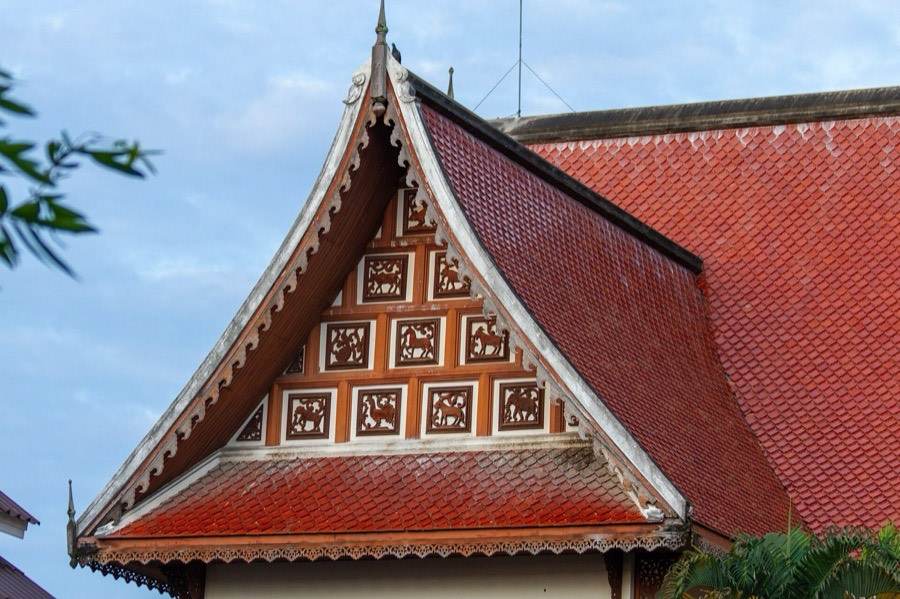
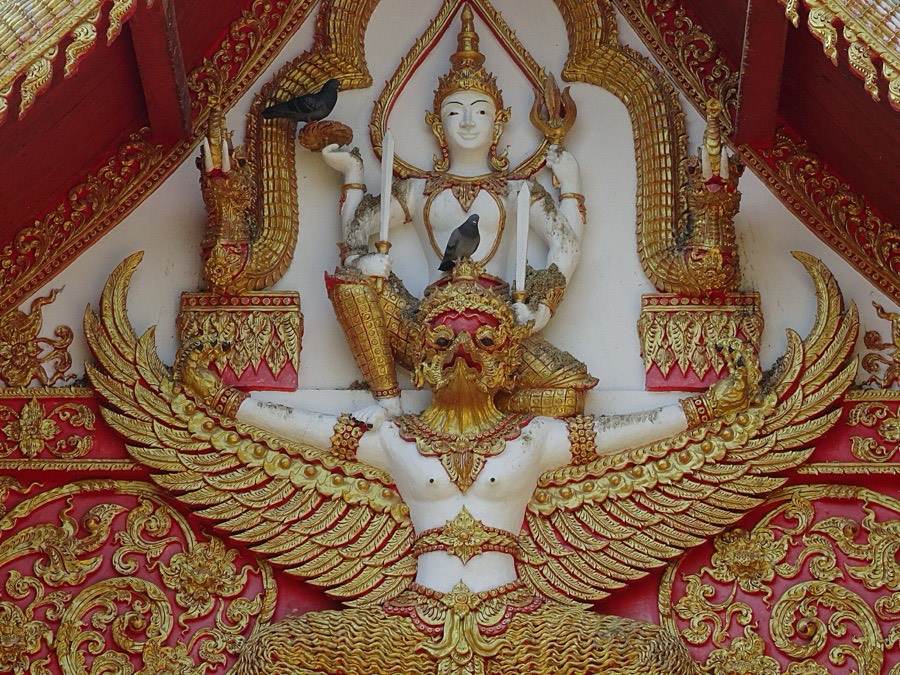
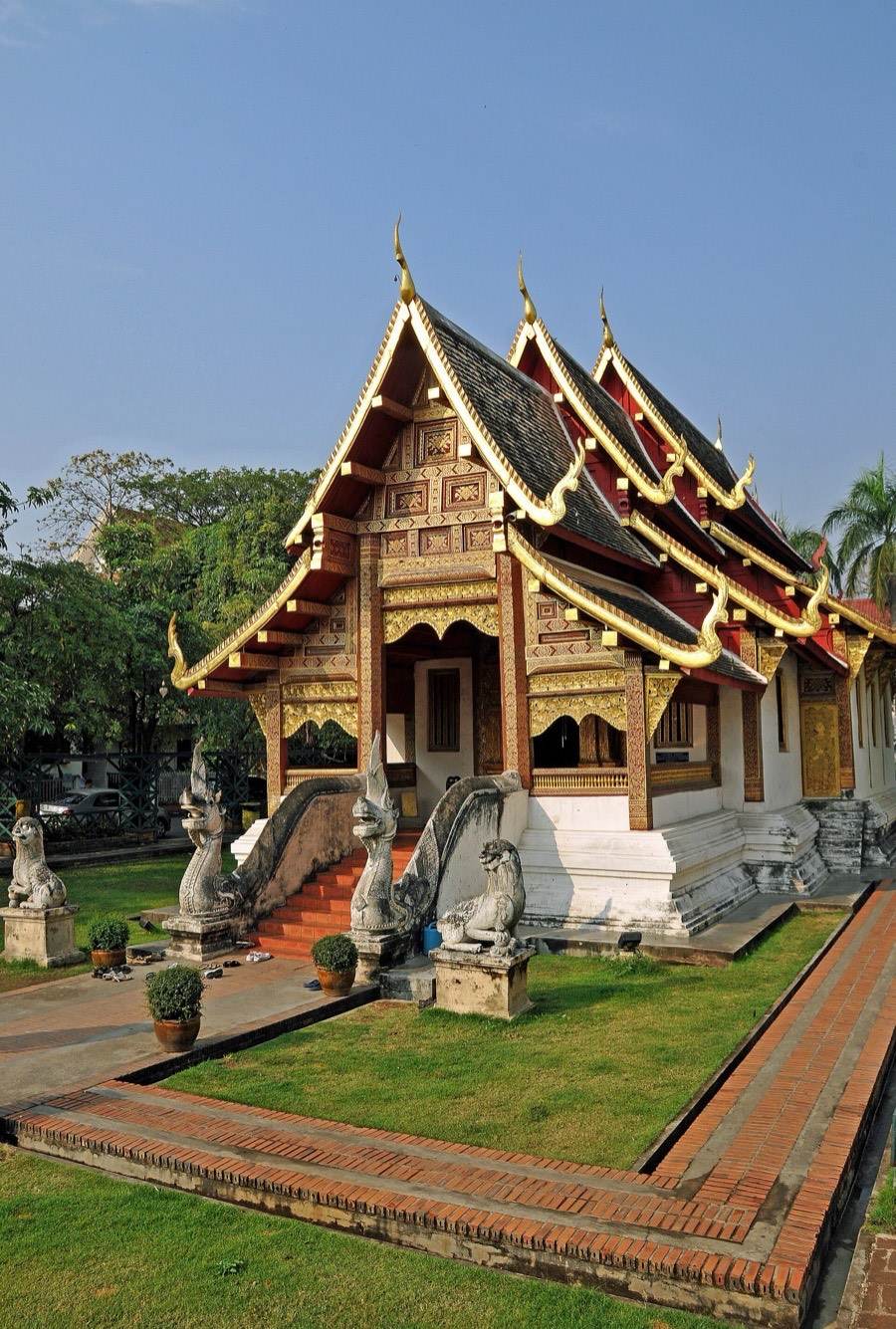
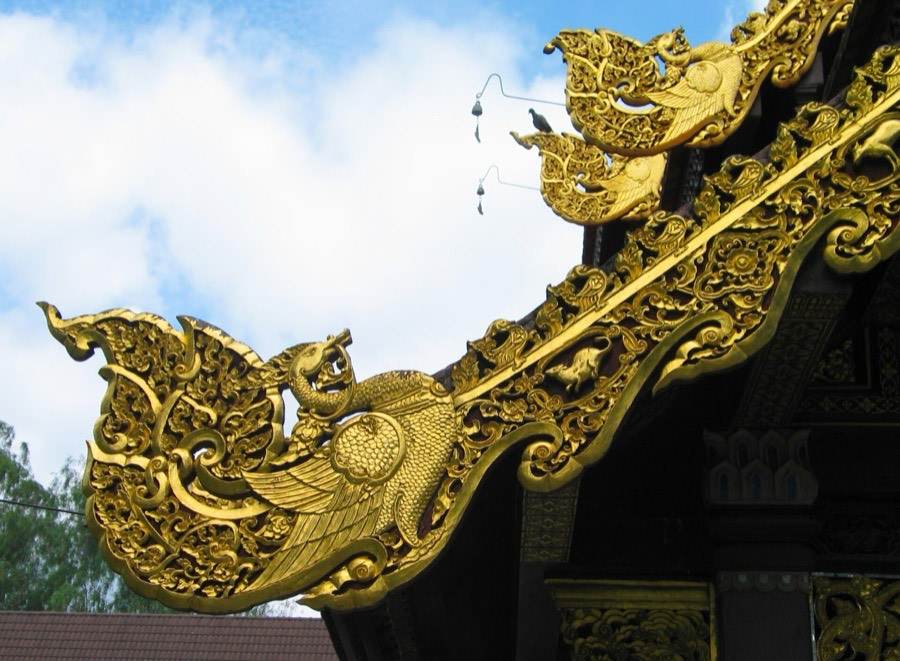
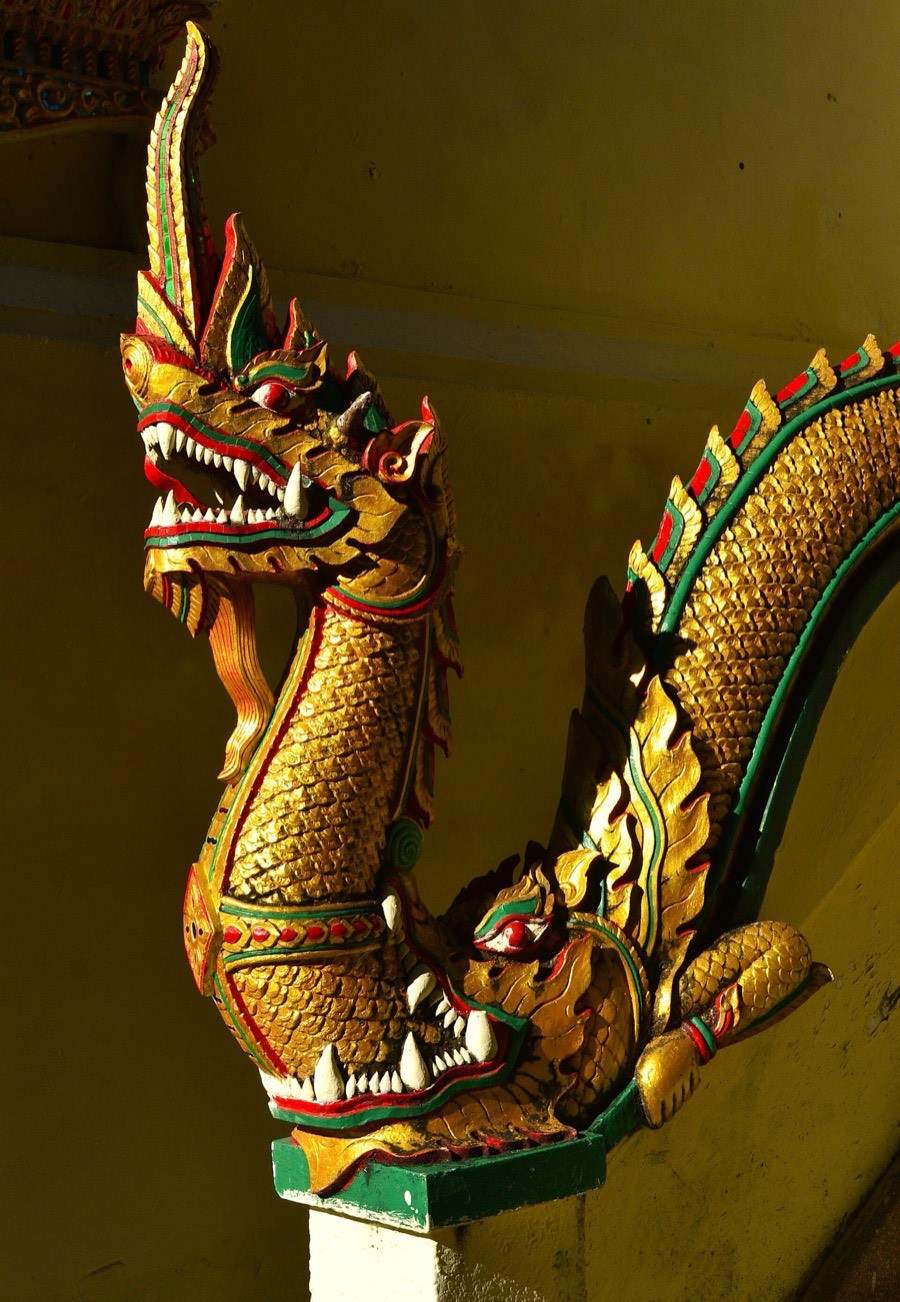
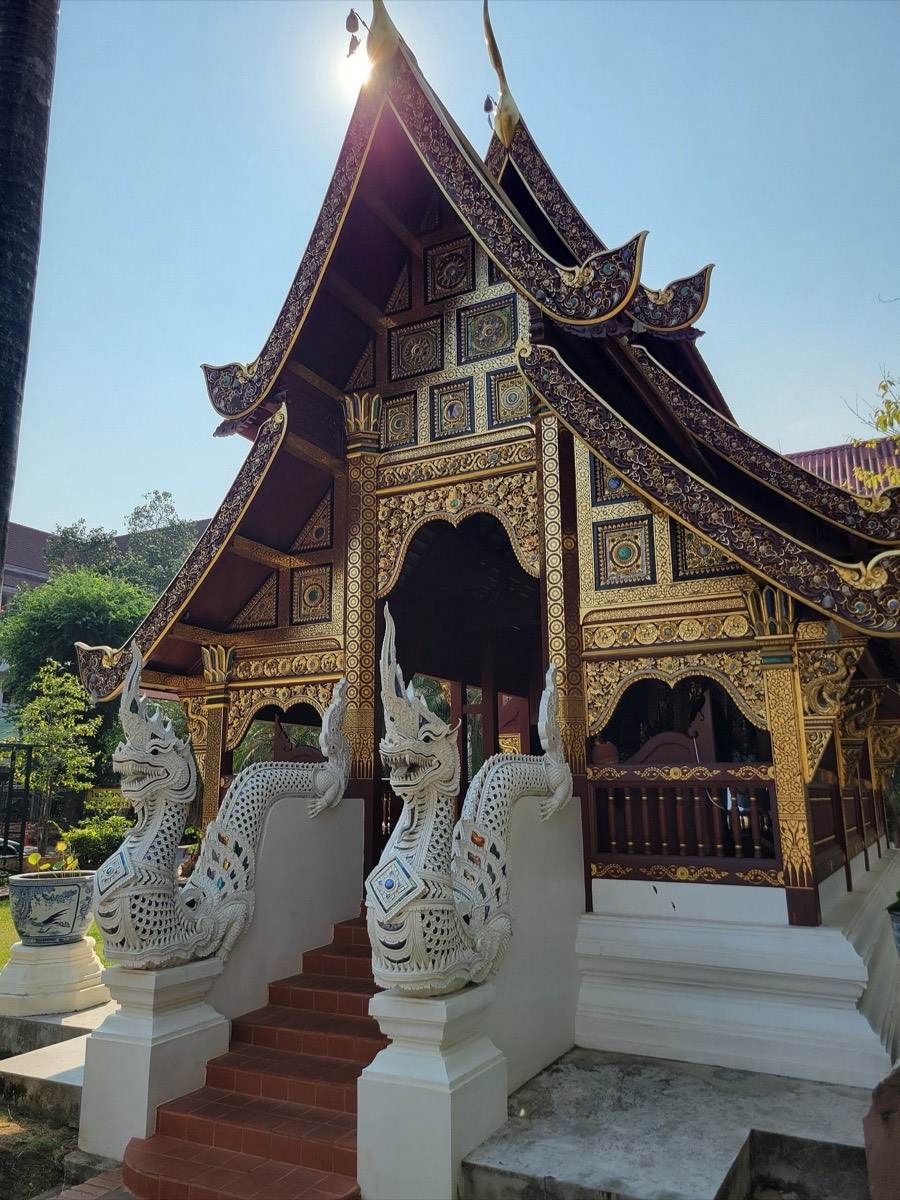
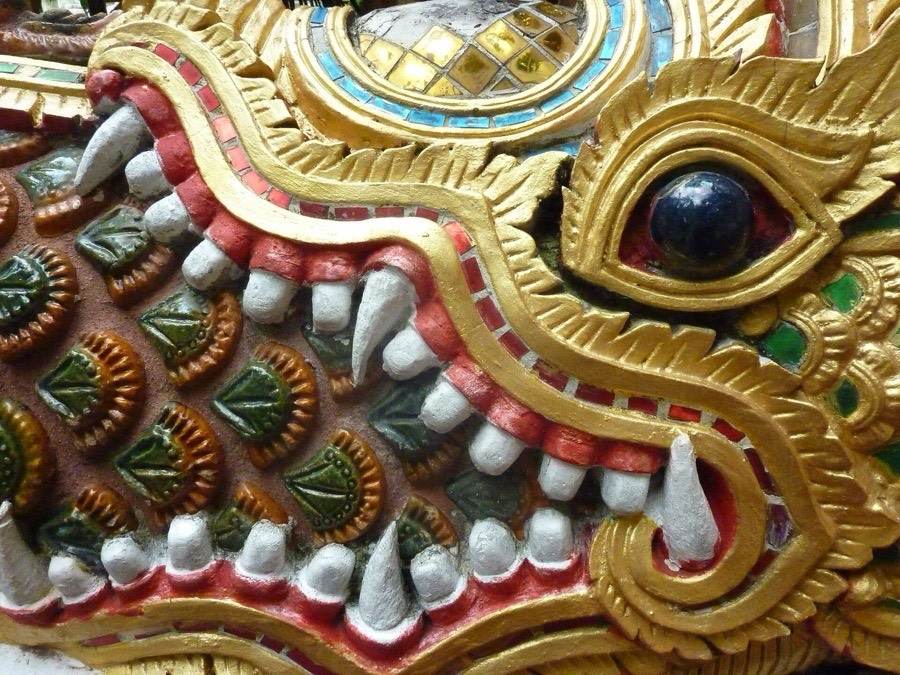
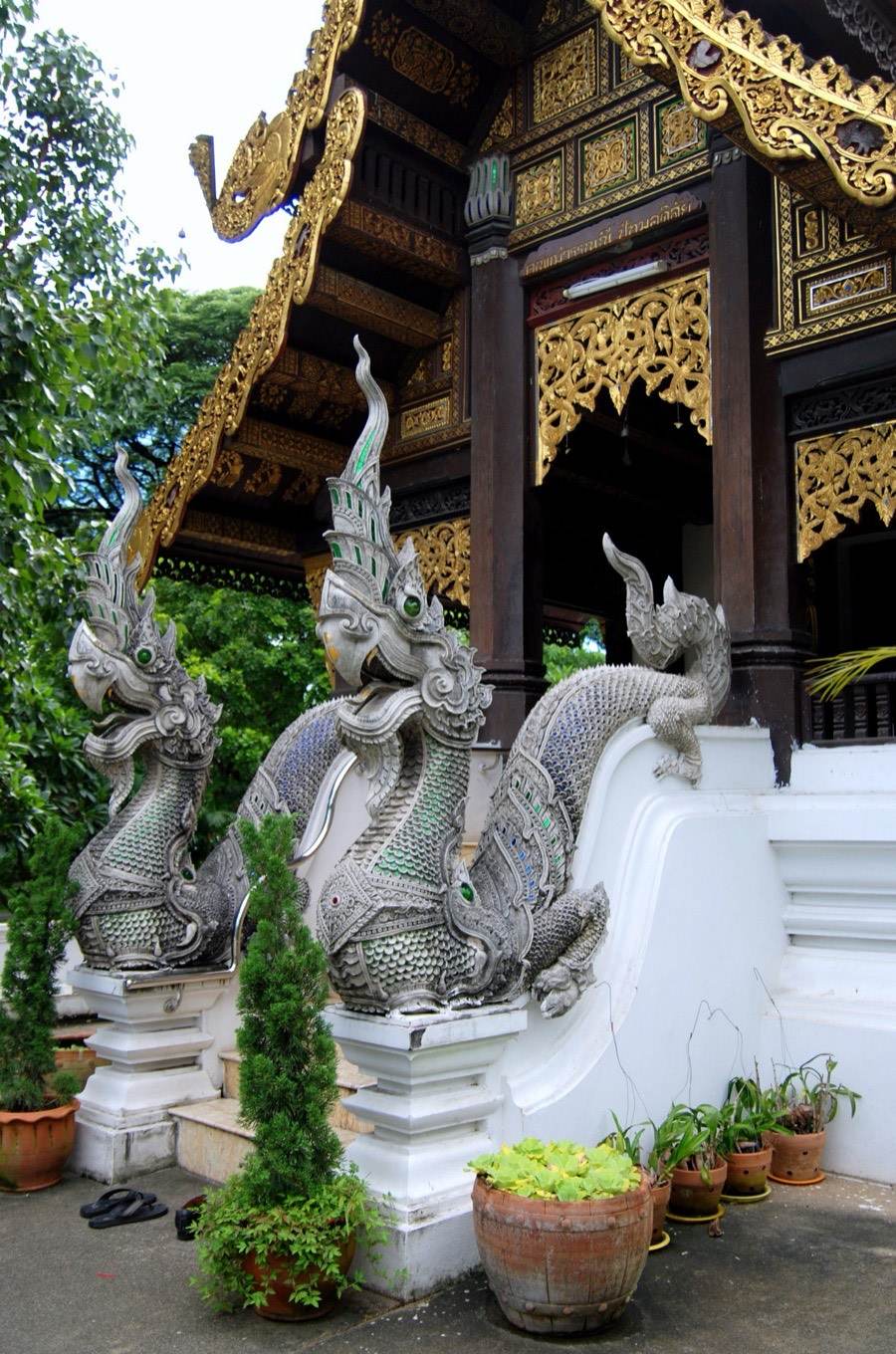
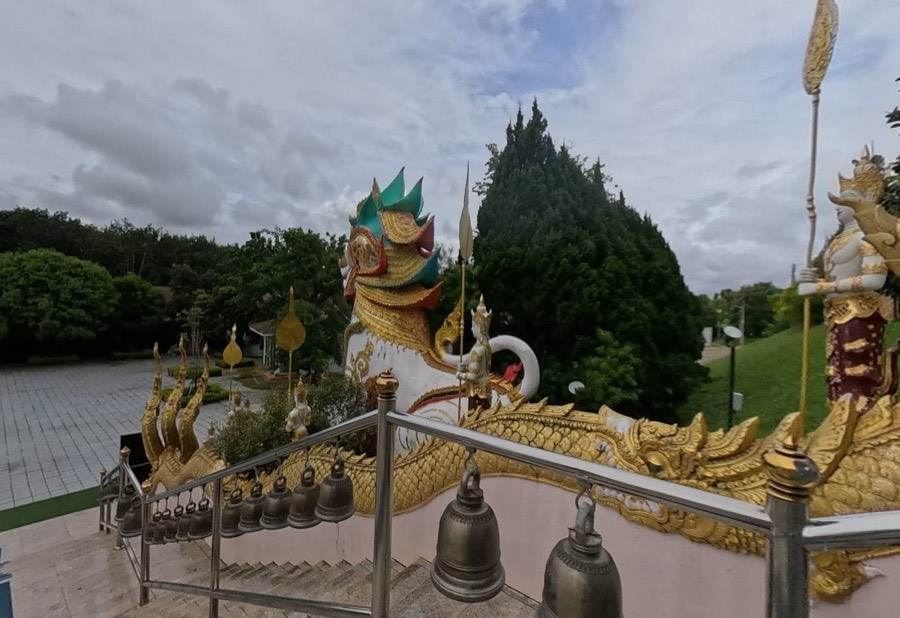
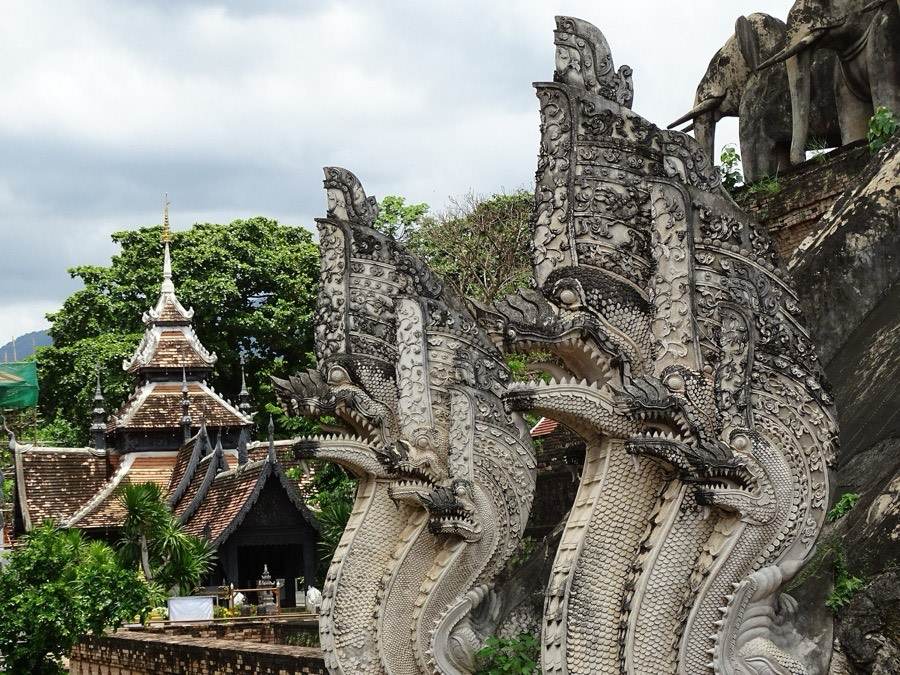
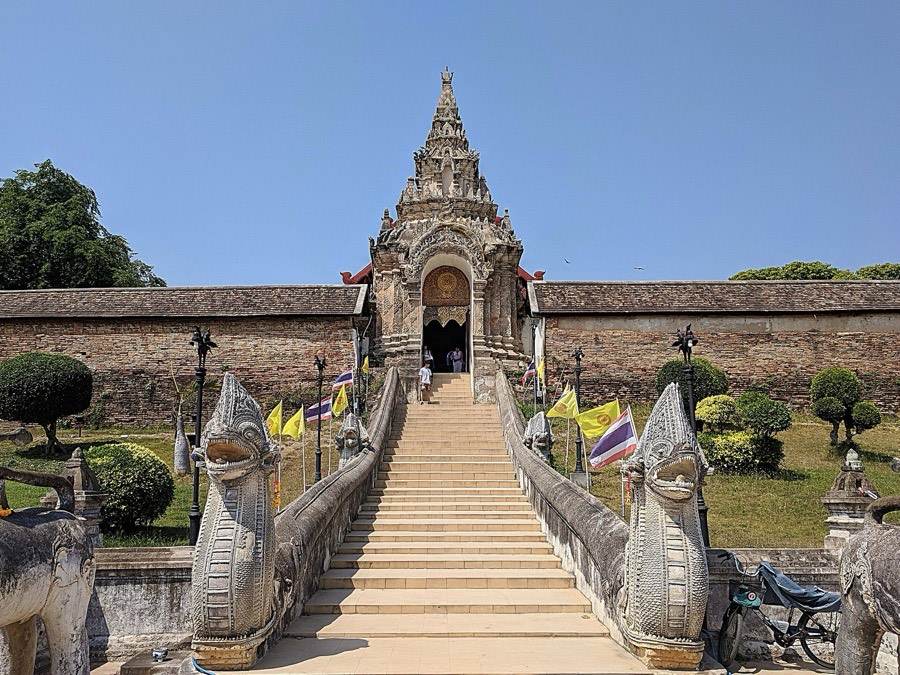
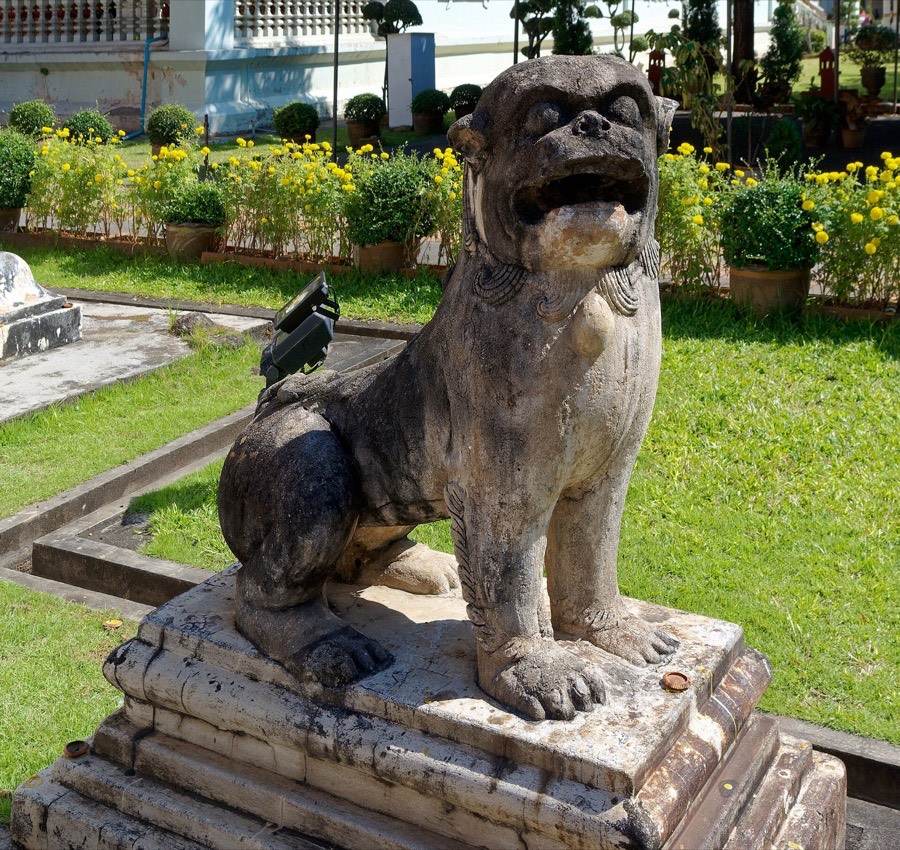
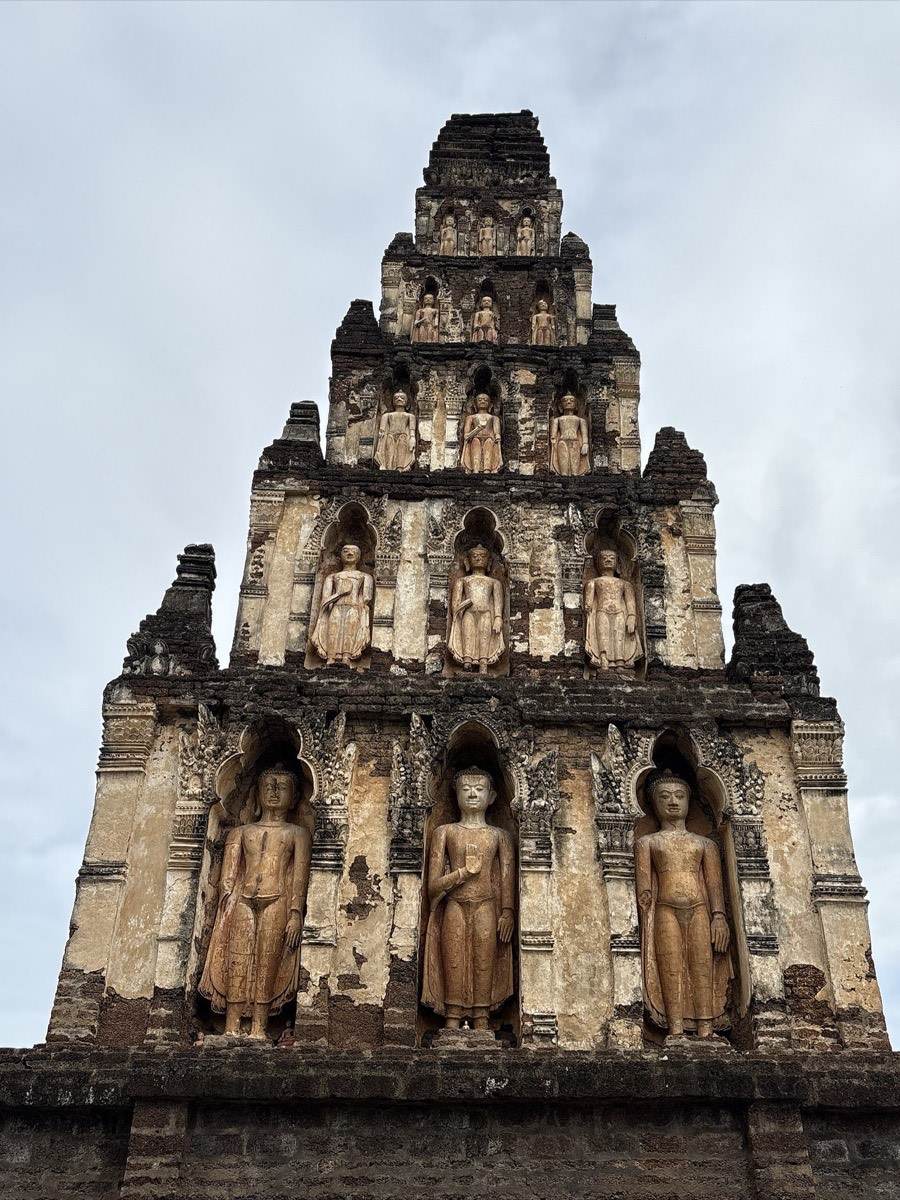
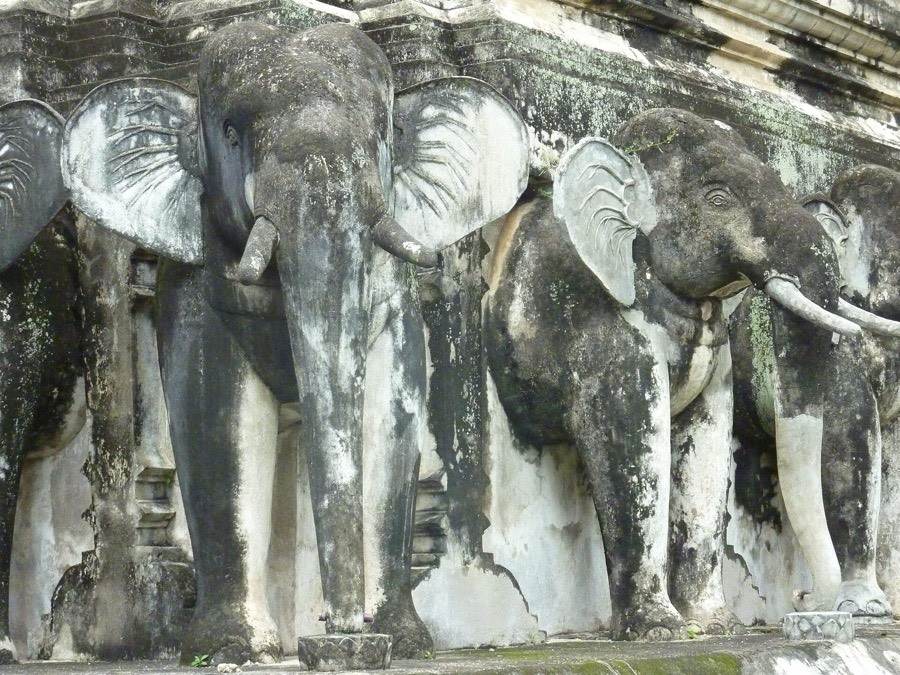
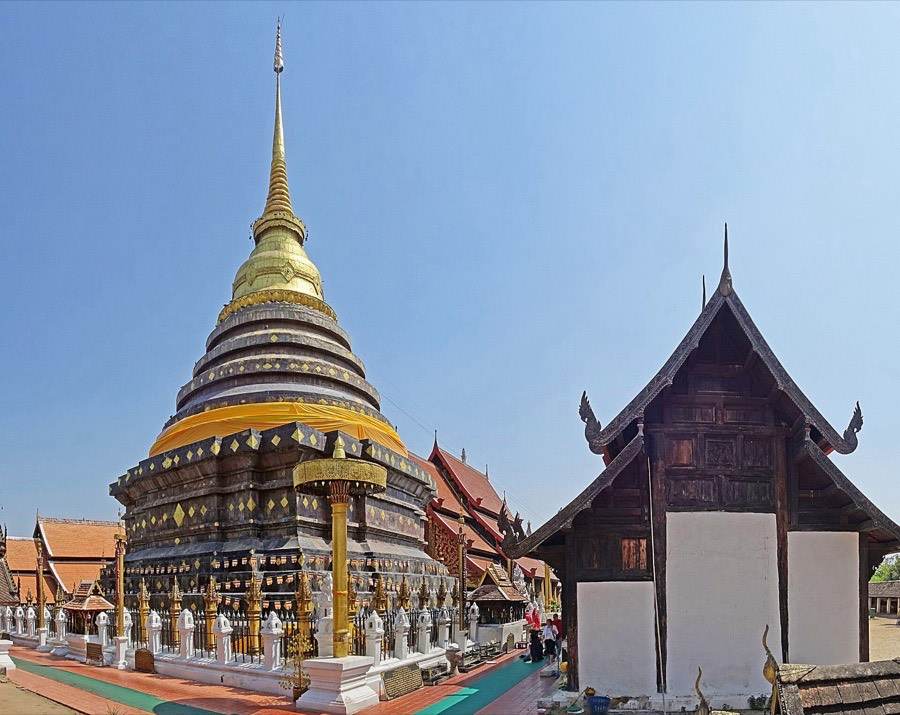

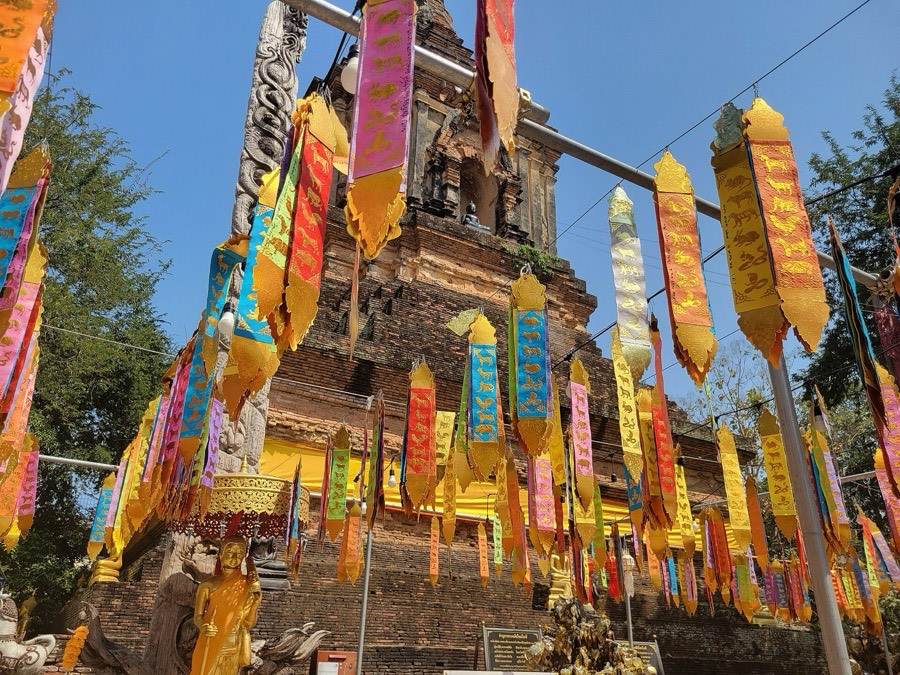

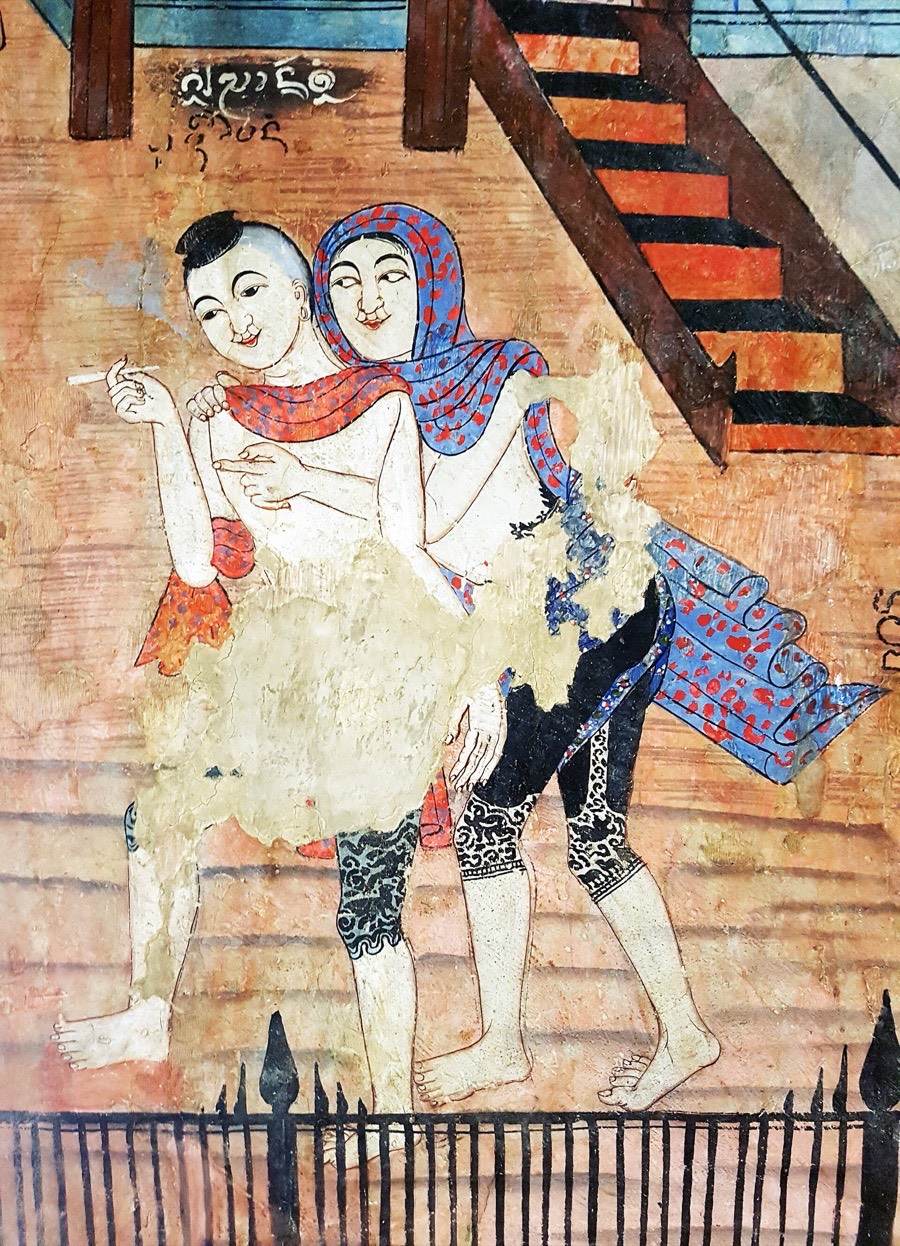

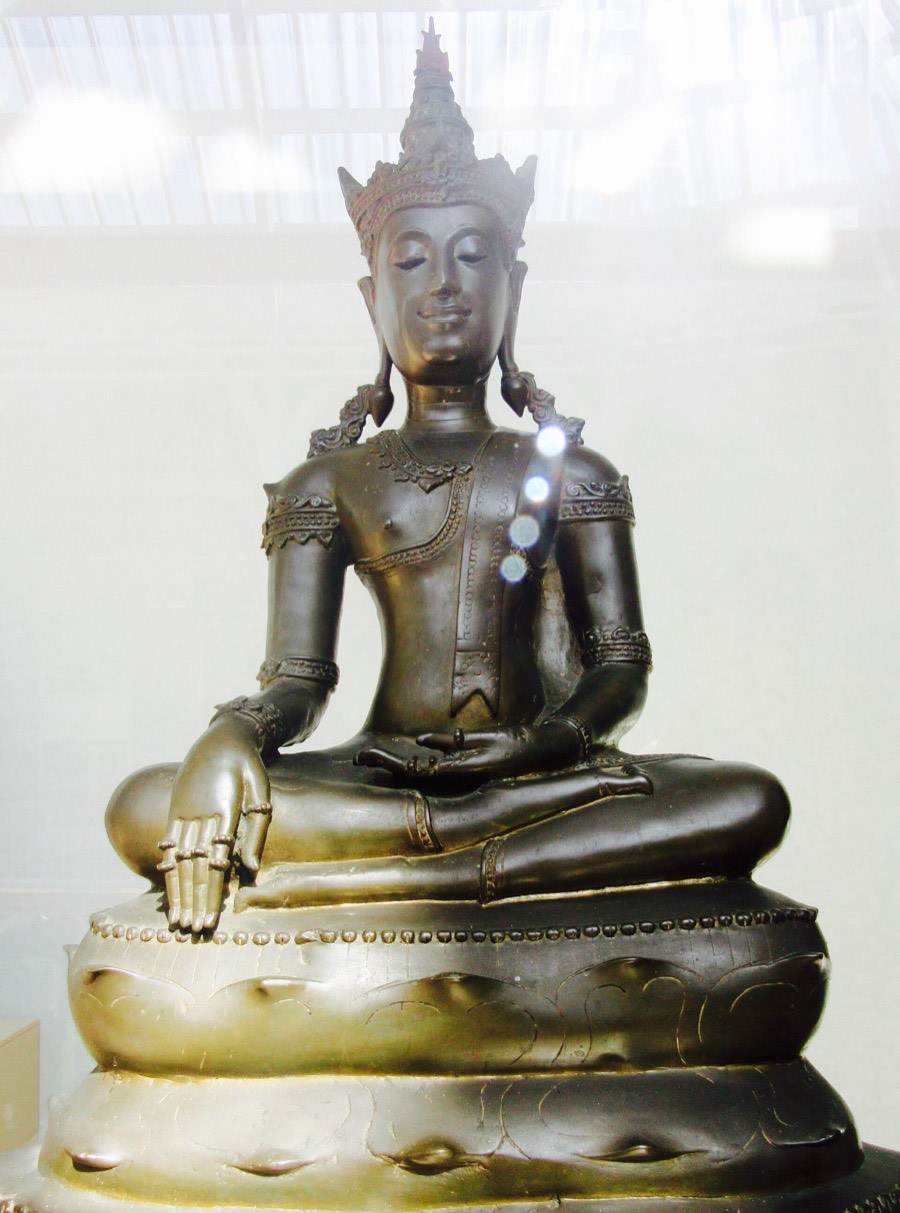

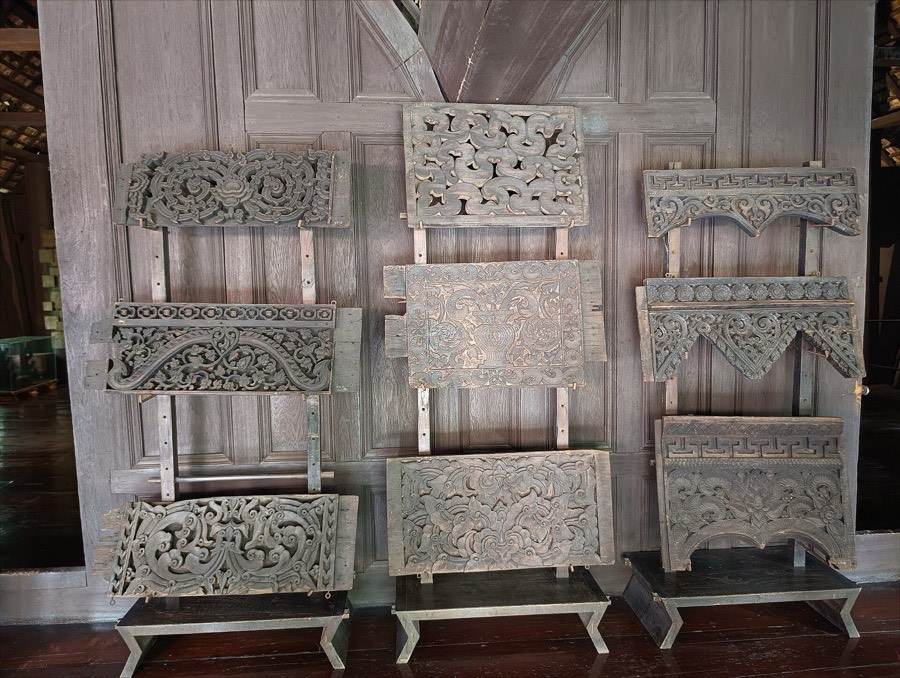
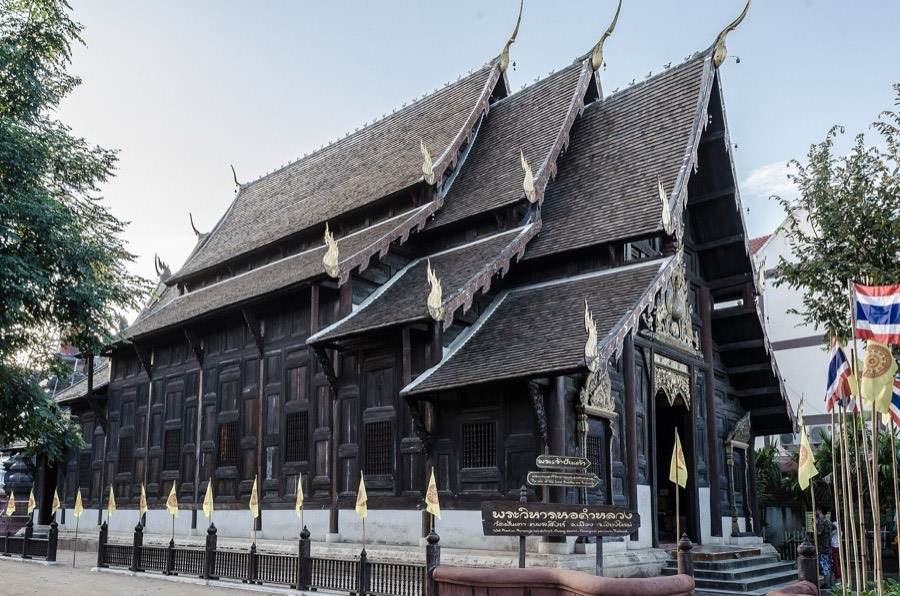
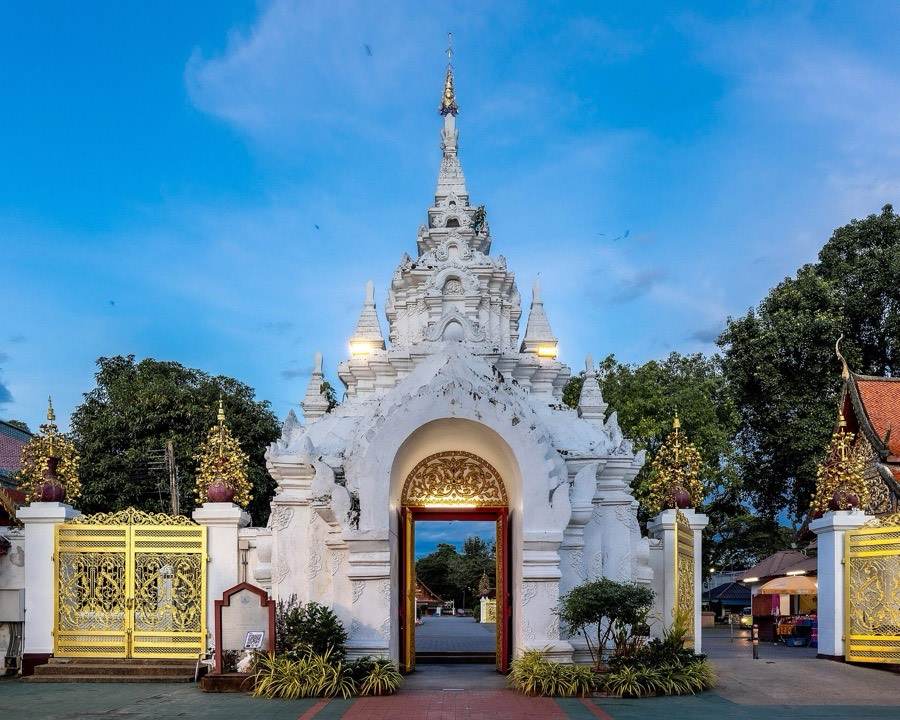
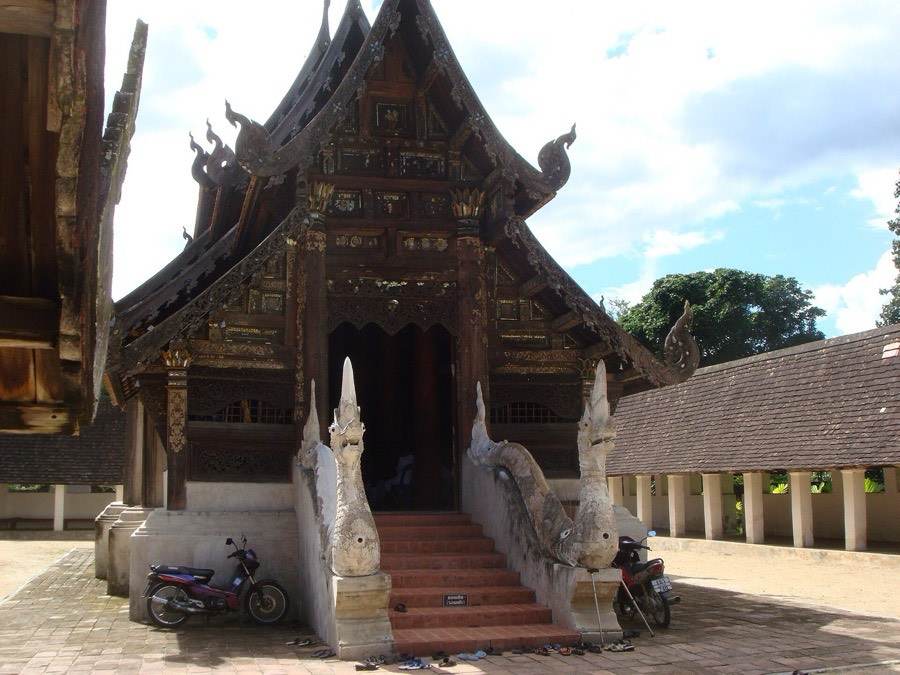
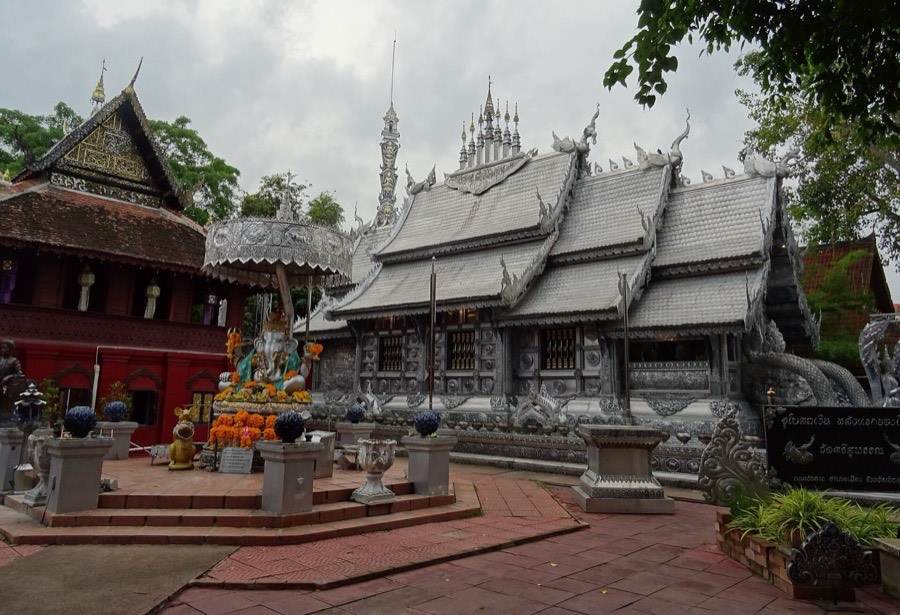
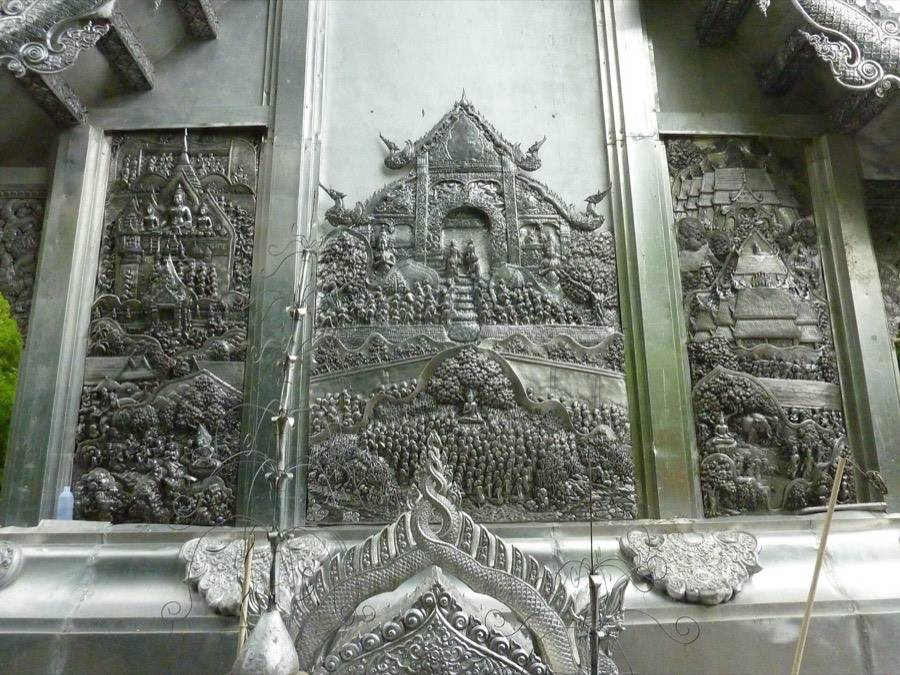
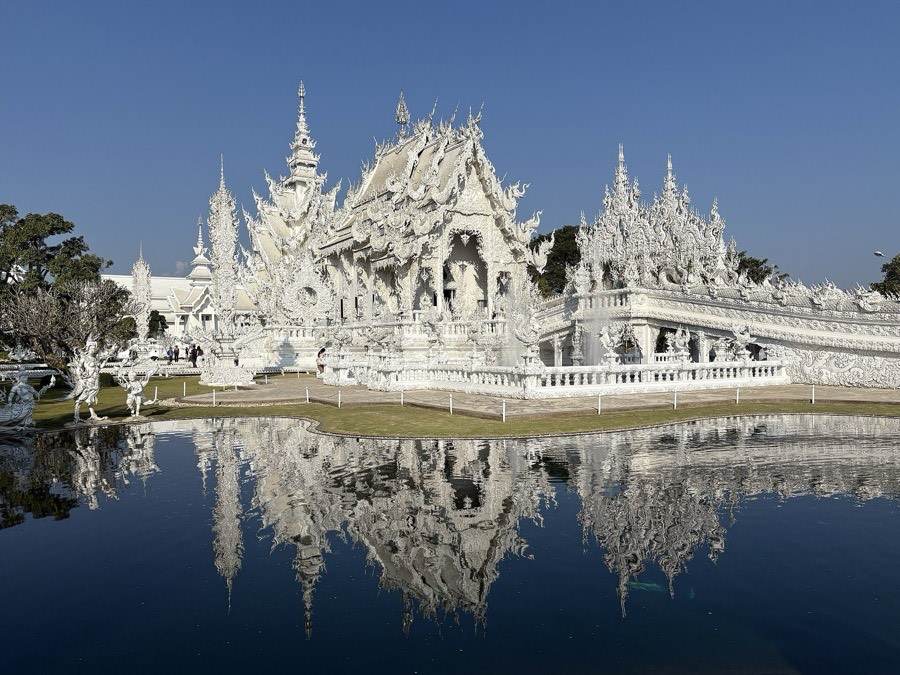
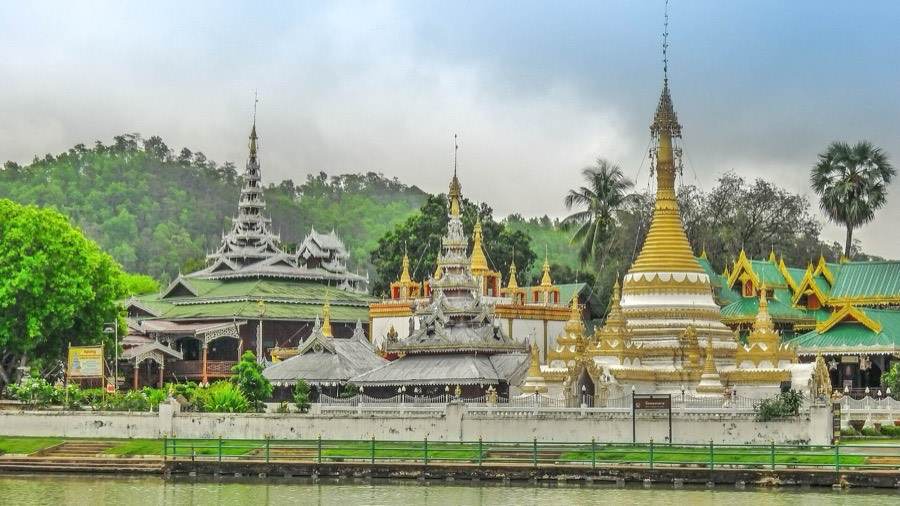
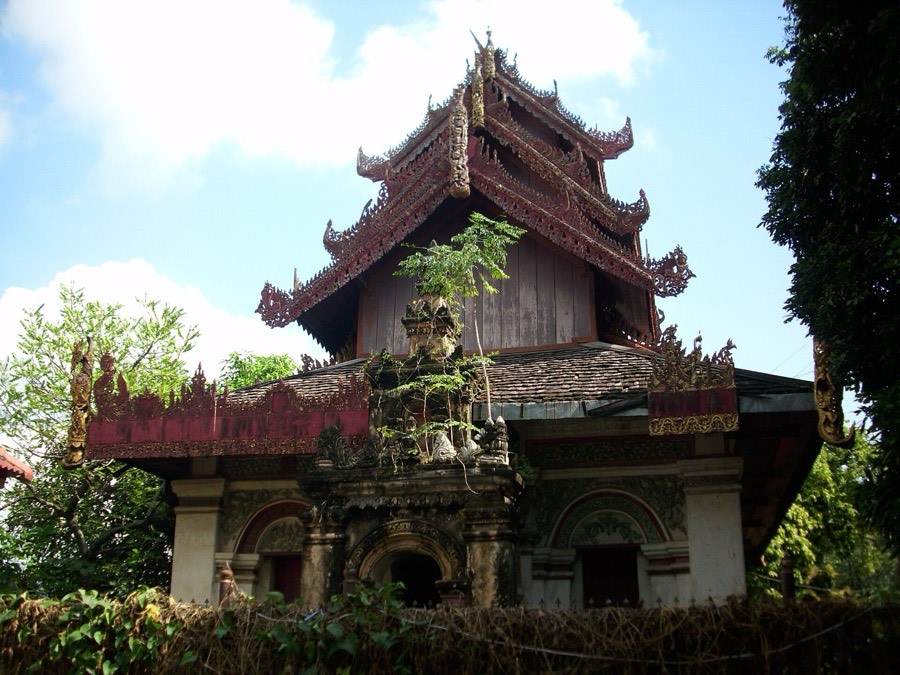
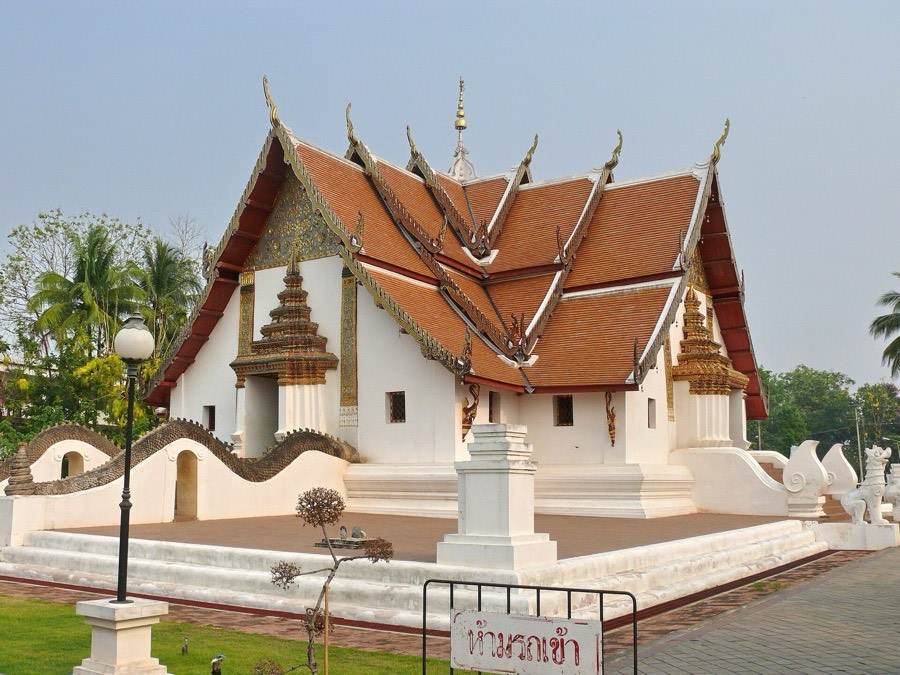
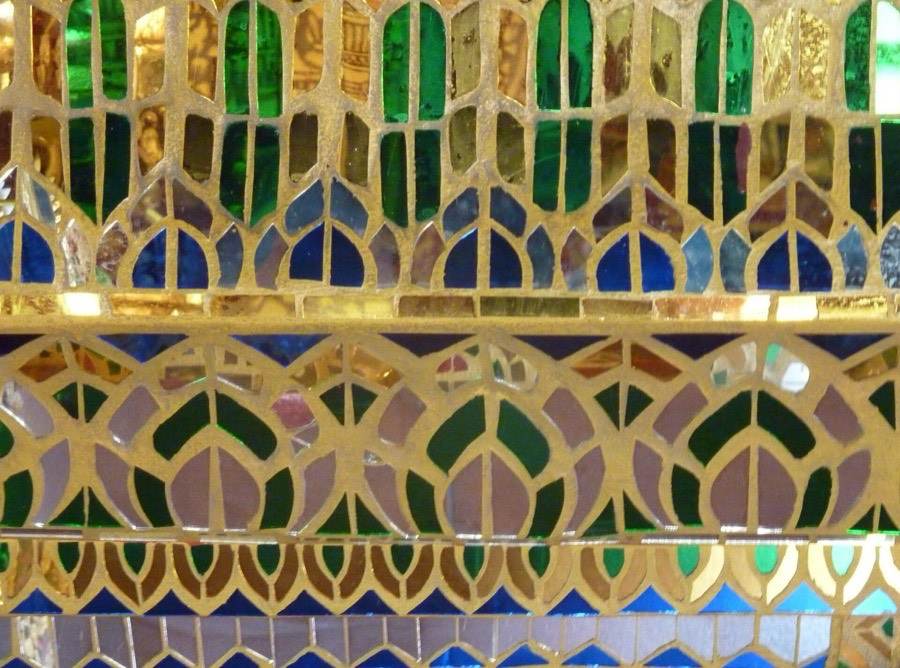


.jpg)

.jpg)


_-_IMG_05.jpg)
.jpg)


.jpg)
.jpg)
.jpg)
.jpg)


.jpg)
_-_img_11.jpg)


.jpg)
.jpg)

.jpg)
